


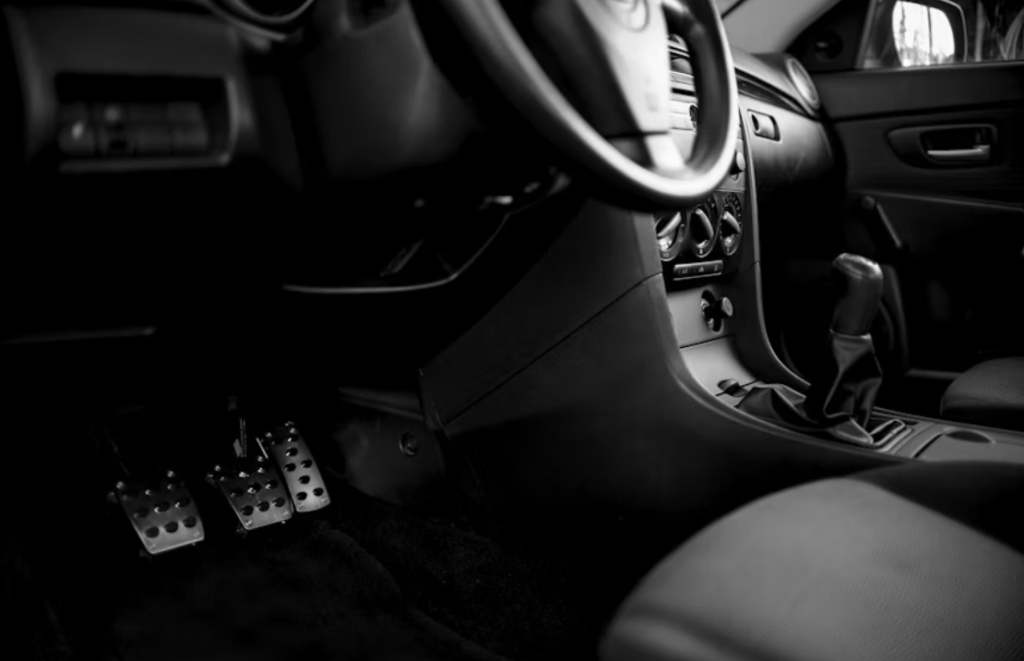
If you’ve been driving a manual car for any length of time, you know that satisfying feeling when the gears slot in perfectly. But that smooth experience can vanish quickly when the clutch cable starts playing up. I’ve seen it plenty of times – friends moaning about their daily drive turning into a battle with sticky gears or a pedal that just doesn’t feel right anymore. In this piece, we’ll break down what goes wrong with clutch cables, how to spot trouble early, and what the whole replacement business really involves.
Spotting Trouble Before It Strands You
The clutch cable is one of those unglamorous parts that does its job quietly until it doesn’t. Suddenly the pedal feels mushy, like pressing into a sponge instead of getting proper feedback. Or you go to pull away and the engine revs but the car hesitates, almost as if it’s not fully biting.
Other classic signs include grinding when changing gears, difficulty getting into first or reverse, or that horrible moment when the pedal sinks right to the floor and stays there. In city traffic especially, these cables take a real beating from constant engagement. I remember one mate whose cable frayed at the worst possible time – halfway through a busy roundabout. Not fun.
Catching it early saves hassle. During a service, ask the mechanic to have a proper look at the cable ends for rust or wear. A bit of lubrication here and there can make a surprising difference in how long it lasts.
What Actually Happens During a Clutch Cable Replacement
It’s not the most complicated job in the workshop, but it does need care. The mechanic has to get at both ends – one near the clutch pedal inside the car and the other out in the engine bay near the transmission. They disconnect the old cable, remove clips and adjusters, then thread the new one through carefully so it doesn’t rub anywhere it shouldn’t.
The tricky bit is getting the tension spot on. Too slack and the clutch drags; too tight and it’ll wear out fast or snap. Most decent garages knock this out in a couple of hours. If you’re handy with tools and have a ramp or decent jack, it’s doable at home on many cars, but honestly, unless you’re confident, it’s worth paying someone who does it regularly.
Facing Up to Clutch Cable Replacement Cost
Money talks, right? The clutch cable replacement cost depends heavily on your car and where you take it. A decent cable part might set you back £25-£80, but labour is what pushes the bill up. In the UK you’re generally looking at somewhere between £120 and £280 all in, though some older or premium models can creep higher if parts are trickier to source.
Shop around and don’t be afraid to ask if the clutch plate or other bits need looking at while they’re in there – it can work out cheaper doing things together. Independent garages often beat main dealer prices without cutting corners on quality.
Keeping Your Manual Box Happy for Years
Prevention really is better than cure. Try not riding the clutch in traffic, and avoid leaving your foot resting on the pedal when you’re cruising along. Little habits like that reduce wear dramatically.
If you’re after more general advice on looking after your gearbox, have a read of our recent piece on everyday transmission care for some practical pointers.
For solid technical info, I always rate the guides from YourMechanic. Their breakdown of symptoms of a failing clutch cable is properly useful and based on thousands of real repairs.
At the end of the day, manuals are brilliant when everything works as it should. A bit of attention to the clutch cable keeps that enjoyment going without nasty surprises. If your car’s showing any of these symptoms, get it sorted sooner rather than later – your future self (and your left leg) will thank you.
