


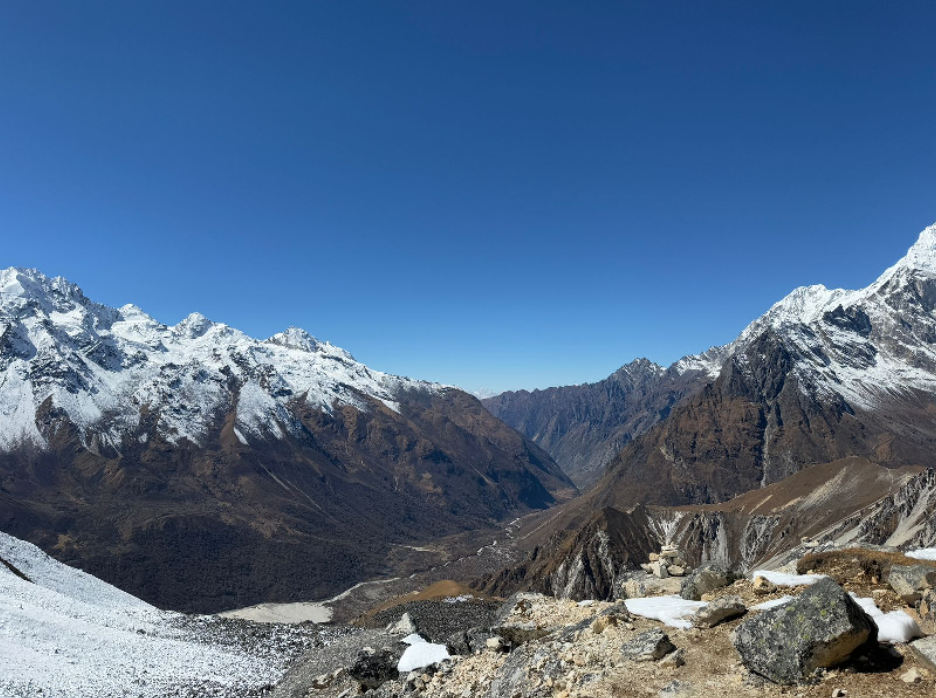
Up there where the air gets thin, folks show up from distant places just to touch the sky. What seems like a simple choice of route can shape everything about how it feels when boots hit dirt. Stories float along rocky paths – told by Sherpas whose memories stretch past modern maps. With each passing season, another guide joins the crowd offering passage, making picks blur like shapes seen through fogged glass. Most of the time, what matters becomes clear only once you’re out there walking.
Watch how the leaders move – that’s where safety speaks, not with noise but in choices. Tents pitched just right, a plan ready if air gets thin, these things say more than words ever could. Pleasure slips in without warning, hidden inside meals taken slowly and pauses made near views untouched by clutter. Later on, after everything ends, the reward finally appears – carried in memories long past the ache, rising from frosty dawns now softened by distance.
Set trekking goals first.
What really matters to you? That question kicks off any choice among Everest treks. For certain folks, standing at Base Camp is the whole point. Some just crave vast horizons – no summit needed. While cultural interest draws others into local homes, adrenaline pulls a different group toward rugged climbs and thin air. Most people head into the mountains without thinking hard about why. When you know what matters, saying no gets easier. Each year brings crowds chasing similar dreams up those trails. What stands between a forgettable hike and something deeper? The match between your goal and the path chosen. Land on it wrong, joy slips away before lunch.
Look Into The Trekking Company’s Standing
Smooth journeys often come from companies that have been around a while. Running Everest trips for years tends to sharpen the little details most travelers never see. Real stories matter – what folks share once they’re back holds weight beyond any brochure line. Those who lay out equipment needs, dangers, and pricing without hiding things? That kind of openness builds trust. With a challenge drawing steady interest like this one, experience counts – the ones doing it again and again tend to get it less bumpy.
See what comes with each package
Not every journey to Everest follows the same path. Some include air travel within Nepal, lodging, meals, permits, airport transfers, guides, and porters – others offer little more than a trail map. Checking what’s truly part of your package prevents misunderstandings later. Lay out multiple choices side by side; let value guide you, not only price. As foot traffic on the peak grows yearly, clarity about inclusions matters most when picking a climb. Only agree once you know what waits ahead.
Prioritize Safety and Emergency Support
Starting a hike toward Everest needs clear focus on staying safe. When trails get steep and weather shifts fast, the high ground turns hard to move across. Good guides show up with deep experience managing altitude problems. Their kits include strong health responses along with ways to pull someone out fast when trouble hits. Most folks feel safer when plans cover their worst moments. As crowds climb higher now, clear rules make each step upward less tense.
Check the trip plan carefully.
Peeking at the daily schedule reveals just how strong an Everest trek setup can be. Rest days slip in smoothly, giving time for lungs to adapt to thinner skies above. Shorter walks pop up between longer ones, helping strength stay steady through each phase. Pushing less means recovery happens without pressure building up inside. This rhythm cuts down risks tied to breathing higher up where oxygen fades out. Some folks wake early, others wait till light spreads across the valley floor. Afternoon stretches differ – short in valleys, endless on ridges – timing shifts with every mile gained. Thin oxygen pulls harder on untrained legs, sharper on unready thoughts. Planning ahead beats rushing forward blind. Space between camps eases strain even if storms still come.
Hotel and food quality check
Most comfort comes down to who runs your Everest climb. Some outfits toss in nicer places to stay every so often, while others hold tight to simple huts all along the way. Meals shift too – one day brings fruit that still tastes like summer, next thing you’re chewing beans from a tin. Where meals land on the trail shapes whether plates fill with color or just calories. Sleep spots decide if nights mean stiff floors or something close to soft. Rest breaks between steps depend heavily on sleeping spots along the trail. A well-structured route lines up food stops with body needs as daylight fades. Night shelters tucked into slopes offer calm before morning climbs begin again.
Check Guide and Porter Services
Most people climbing near Everest find help changes everything. Guides do more than know trails – they talk through moments, watch out for danger. When porters carry supplies, walkers save strength and go farther without strain. Signing on? First, see who’s included. After that, dig deeper into their preparation and skill level. Out there, when storms roll in, it’s a steady experience that keeps steps sure. Though plenty arrive every year hoping for clear skies, going with those who know the land usually brings quieter mornings. Paths grow easier under guidance earned through years, not maps.
All costs and extra fees are explained.
Surprises wait behind the printed price tag for this journey. Renting equipment could come out of pocket, and then there’s charging gadgets along the way. Snacks beyond the basic rations? Those pile on, too. A kind gesture toward crew members who stretch themselves might feel right at the moment. Coverage for health or sudden changes isn’t always built in. Unexpected support during rough patches often means added expense. Clear numbers before departure tend to quiet nerves later. Once walking begins, clarity helps. Most folks running these trips put honesty first, not just fast money. When travelers come from everywhere chasing mountain views, counting each dollar decides if everything goes right.
Check Cancellation and Booking Rules
Most folks appreciate some breathing space when schedules change. Should the weather turn harsh, health take a dip, or travel lines break down, trekking dreams often stumble. Clarity on shifting dates, getting money back, or pausing commitments makes next steps less foggy. When operators spell it out plainly, trust grows quiet but sure. Lately, even those chasing Everest peaks lean toward choices that let them adjust – calmly, quietly, without pressure building.
Think About Value, Not Just Cost
Picking the cheapest Everest trip might seem clever right away. Yet value often hides beyond price tags. Skilled guides familiar with every turn, dependable shelters up high, genuine safety checks – these show why certain climbs cost extra. A smooth process from start to finish adds quiet confidence. Over days on the mountain, comfort comes less from savings and more from knowing your support crew won’t vanish when conditions shift.
Conclusion
Whatever you seek on the trail begins with clarity. When the aim is set, decisions fall into place without effort. Past travelers’ words often reveal more than any brochure ever could. Details hide in the fine print – take time to uncover them. Protection isn’t added later; it’s built first, like stone beneath a path. Surprises often come from unclear costs, so knowing what you pay for matters. Look into the everyday rhythm of the trip, not only the standout moments but also those stretched-out stretches in between.
Nights need resting spots – find out where exactly that happens after dark. Check if tents hold up well or if teahouses offer decent shelter. A guide’s skill stands out quietly – someone who knows the path can shift everything behind the scenes. Weeks on foot mean tiny things matter more. Check what happens if plans shift, storms roll in, or equipment falls short. A place so rare pulls people in – Everest does that. Time spent weighing choices early shapes how smooth each step feels later. When readiness goes far beneath the surface, ease follows without trying.
