


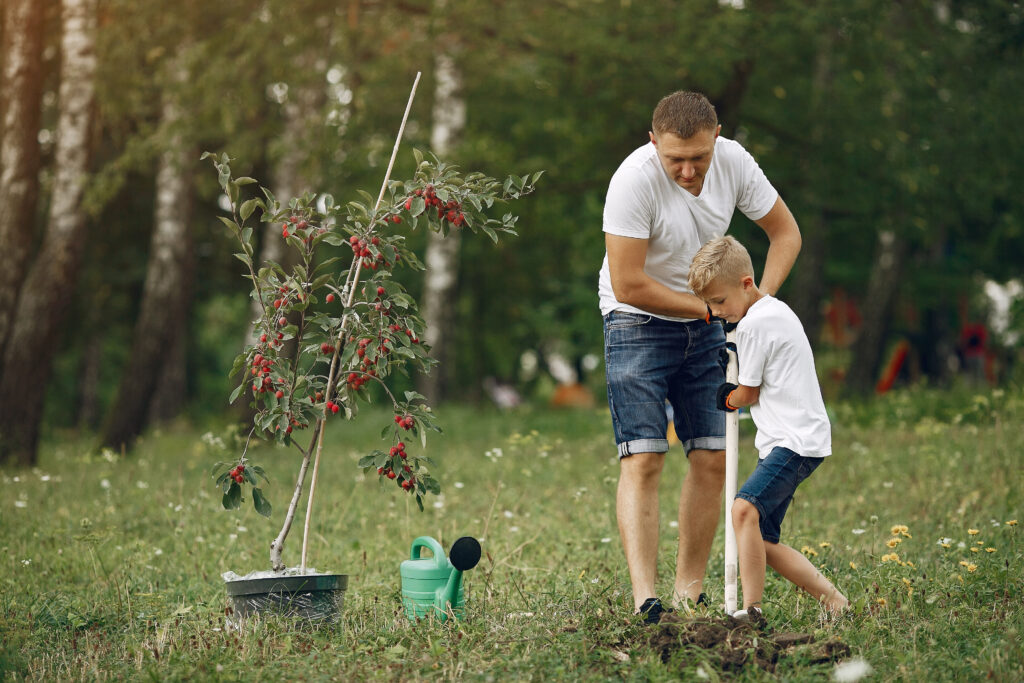
Trees are the unsung heroes of our landscapes. They provide cooling shade on a blistering summer afternoon, clean the air we breathe, and bring incredible aesthetic value to our homes. A well-placed oak or maple can even lower your energy bills and increase your property value.
Understanding Your Trees: A Foundation for Health
Before you pick up a hose or a pair of pruning shears, take a moment to understand what is growing in your yard. Treat your trees as individuals, because a blanket approach to tree care often leads to poor results.
Tree Identification
Every tree species has its own unique set of requirements. A willow thrives in wet conditions, whereas a pine prefers well-drained soil. Identifying the species of your trees allows you to tailor your care routine. You will know exactly how much water they need, what pests they are susceptible to, and how fast they are expected to grow.
Site Assessment
The health of a tree is heavily influenced by its immediate environment. Take a close look at the soil, sunlight, and drainage around the planting site. Compacted soil restricts root growth, while poor drainage can drown roots and cause rot. Ensuring your tree receives the correct amount of sunlight—whether full sun, partial shade, or full shade—is also critical for robust growth.
Essential Tree Care Practices
Routine maintenance is the secret to a long-lasting landscape. A few simple practices can make a massive difference in the vigor of your trees.
Proper Watering Techniques
Many homeowners make the mistake of giving their trees a light sprinkle of water every day. This encourages shallow root systems that dry out quickly during a drought. Instead, practice deep and infrequent watering. Soak the root zone thoroughly, allowing the water to penetrate deep into the soil. Let the top few inches of soil dry out before watering again to encourage roots to grow downward.
Mulching
Mulch acts as a protective blanket for the root system. It retains soil moisture, regulates soil temperature, and suppresses weeds that compete for nutrients. Apply a two- to four-inch layer of organic mulch, such as shredded bark or wood chips, around the base of the tree. Be careful to keep the mulch a few inches away from the trunk itself. Piling mulch directly against the bark can trap moisture and invite fungal diseases.
Fertilization
In a natural forest, decomposing leaves provide a steady stream of nutrients. In a typical yard, we rake those leaves away, often leaving the soil depleted. Fertilizing helps replace these missing nutrients. Test your soil to determine what is lacking, and apply a slow-release fertilizer tailored to those needs. Early spring is generally the best time to fertilize, giving the tree a boost just as it enters its active growth phase.
The Art and Science of Pruning
Pruning is one of the most misunderstood tree care tasks. When done correctly, it improves the structural integrity of the tree. When done poorly, it can cause irreversible damage.
Why Prune
There are three main reasons to prune: health, safety, and aesthetics. Removing dead, diseased, or rubbing branches improves the overall health of the tree by increasing air circulation and light penetration. Pruning also eliminates weak branches that could fall and damage property or injure people.
When to Prune
The ideal time to prune most trees is during the dormant season, typically late winter or early spring. Pruning before new growth starts minimizes sap loss and allows the tree to heal wounds quickly as soon as the weather warms up. Avoid pruning in the fall, as decay fungi spread rapidly during this time.
How to Prune
Always make clean cuts outside the branch collar, which is the swollen area where the branch meets the trunk. Never leave a long stub, and never cut flush against the trunk. Additionally, avoid removing more than 25 percent of a tree’s canopy in a single year to prevent stressing the tree.
Pest and Disease Management
Bugs and fungi are a natural part of any ecosystem, but an infestation can severely weaken or even kill a tree.
Early Detection
The best defense against pests and diseases is a watchful eye. Regularly inspect your trees for signs of distress. Look for discolored or wilting leaves, premature leaf drop, holes in the bark, or strange fungal growths on the trunk. Catching a problem early makes it much easier to treat.
Common Pests and Diseases
Depending on your region and tree species, you might encounter aphids, borers, caterpillars, or scale insects. Common diseases include powdery mildew, rust, and root rot. Once you identify the specific issue, you can choose a targeted solution rather than applying a broad-spectrum chemical.
Integrated Pest Management (IPM)
IPM is a strategy that focuses on long-term prevention. It combines biological controls (like introducing ladybugs to eat aphids), cultural practices (like proper watering), and mechanical controls (like physically removing insect nests). Chemical pesticides are only used as a last resort, minimizing harm to beneficial insects and the environment.
Protecting Trees from Environmental Stressors
Trees face an array of challenges from the world around them. Giving them a little extra protection during tough times can save their lives.
Storm Damage Prevention
Severe weather can snap branches and uproot entire trees. You can prepare your trees for high winds and heavy snow by maintaining a strong, central leader trunk and removing weak, V-shaped crotches through proper pruning.
Winter Protection
Young trees and trees with thin bark are susceptible to sunscald and frost cracks during the winter. You can protect them by wrapping the trunks with commercial tree wrap in late fall and removing it in early spring. Adequate fall watering also helps trees withstand the drying winter winds.
Construction Impact
Heavy machinery can severely compact the soil and crush a tree’s root system. If you are doing renovations or construction on your property, set up a physical barrier around the drip line of the tree to keep equipment and materials away from the roots.
Professional Tree Care: When to Call an Arborist
While you can handle many routine tasks yourself, some jobs require professional equipment and expertise.
Certified arborists are trained to handle complex pruning jobs, safely remove large dead trees, and diagnose obscure diseases. If a large tree is growing near power lines, hanging over your roof, or showing signs of severe internal decay, do not attempt to fix it yourself. For example, if you live in Utah and notice a massive branch threatening your driveway, looking up reliable tree services in Salt Lake City can connect you with an expert who can safely resolve the issue. Professional emergency tree services are invaluable after a severe storm leaves dangerous, hanging branches in your canopy.
Conclusion
Caring for the trees on your property is a long-term investment. By taking the time to water properly, mulch carefully, prune correctly, and protect them from severe stress, you are building a resilient landscape.
