


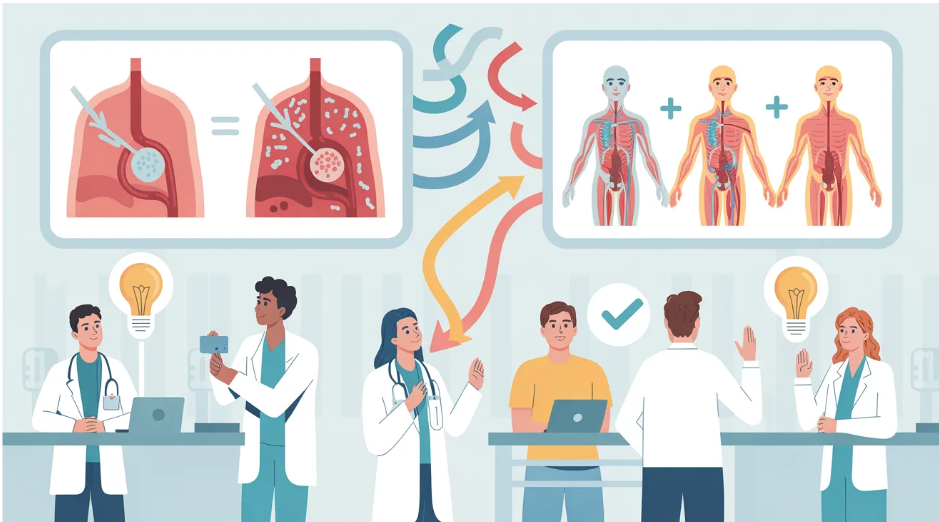
Healthcare products are not always easy to explain. A medical device may look simple from the outside, but its real value might come from how it works inside the body, how it supports a procedure, or how it improves patient care.
That is hard to show with photos alone.
This is why animation has become so useful in healthcare communication. It gives medical brands, device companies, hospitals, and educators a clear way to show what a product does and why it matters. Instead of relying on long technical descriptions, animation turns the message into a visual explanation that people can follow.
For healthcare products, clarity is not just a marketing advantage. It can help doctors, patients, investors, and sales teams understand the product with less confusion.
Medical Products Need More Than Static Visuals
A standard product image can show shape, size, and surface design. That is useful, but it does not always explain function.
Medical products often involve movement, internal mechanisms, biological interaction, or step-by-step use. A device may need to be shown inside the body. A tool may need to demonstrate how it supports a surgical process. A diagnostic product may need to explain how samples, signals, or data move through a system.
Animation makes these details easier to show.
With a clear animated sequence, viewers can see how the product works from start to finish. They do not need to guess what happens after the product is used.
Animation Makes Complex Science Easier to Follow
Healthcare communication often involves technical language. Doctors may understand it, but patients, buyers, and non-specialist stakeholders may not.
Animation helps close that gap.
A video can show the problem first, then introduce the product, then explain how it supports the solution. This structure gives the viewer context before showing the technical details.
For example, an animation can show how a device moves through a blood vessel, how a treatment targets a specific area, or how a product supports recovery after a procedure.
Healthcare brands often use medical animation services when they need to explain these ideas without overwhelming the audience.
Product Animation Builds Trust Through Clarity
People trust what they understand.
In healthcare, this matters even more because the subject is sensitive. Patients want to know what will happen. Clinicians want accuracy. Buyers want proof that the product solves a real problem.
Animation helps by showing the product clearly and responsibly.
A good animation does not exaggerate. It does not make unrealistic promises. It simply explains the product in a way that feels clean, careful, and easy to understand.
That kind of clarity can support stronger conversations between sales teams, medical professionals, and decision-makers.
3D Animation Can Show Hidden Product Details
Many medical products have important features that are not visible from the outside. Internal parts, material layers, sensors, fluid movement, or mechanical actions may all be part of the value.
A camera may not capture those details well.
3D animation can reveal them.
A product can be shown in a cutaway view. Internal parts can be highlighted. Movement can be slowed down. The product can be placed in a realistic medical environment without needing live filming.
A 3D product animation company can help healthcare brands create these detailed visuals for product demos, launch videos, investor presentations, trade shows, and training content.
Animation Supports Medical Device Launches
Launching a healthcare product requires careful explanation. The audience needs to understand what the product is, who it helps, how it works, and why it is different.
Animation gives launch teams a strong visual tool for that job.
A launch video can introduce the medical challenge, show the product design, demonstrate the mechanism, and end with the practical benefit. This keeps the message organized and easy to follow.
It is also useful when the product is difficult to film or still in development. Animation can be built from models, diagrams, design files, or prototypes before full production is complete.
Sales Teams Can Explain Products Faster
Healthcare sales conversations can be technical. A sales representative may need to explain the same product to clinicians, hospital buyers, distributors, and investors. Each audience may care about different details.
Animation helps keep the explanation consistent.
Instead of describing every feature verbally, the team can show the product working on screen. This saves time and reduces the risk of misunderstanding.
A short animation can be used during meetings, webinars, conferences, product demos, and follow-up emails.
For complex medical products, this can make the sales process smoother and more confident.
Patient Education Becomes More Accessible
Patients often feel anxious when they do not understand a treatment, procedure, or device. Written brochures help, but they can feel dense or too clinical.
Animation makes patient education easier to absorb.
A simple visual explanation can show what the device does, how it is used, and what the patient can expect. The tone should be calm, accurate, and respectful.
This does not replace medical advice, but it can support better understanding before or after a consultation.
When patients understand the process, they are more likely to feel informed and prepared.
The Best Medical Product Videos Stay Focused
A common mistake is trying to include too much in one video. Medical products often have many features, but not every detail belongs in the same animation.
A strong video focuses on one main goal.
That goal might be explaining how the product works, showing a procedure, supporting sales, training users, or educating patients.
Once the goal is clear, the script and visuals can stay focused. Every scene should help the viewer understand the product better.
Simple does not mean shallow. It means the message is easier to follow.
Conclusion
Animation helps healthcare brands explain products with more clarity, care, and visual control. It can show hidden details, simplify medical science, support launches, and help sales teams communicate more consistently. For medical devices and healthcare products that are difficult to explain through photos or text, animation gives audiences a clearer way to understand how the product works and why it matters.
Frequently Asked Questions
Why Is Animation Useful for Healthcare Products?
Animation helps explain how healthcare products work, especially when the product involves internal parts, medical processes, or technical use cases.
Can Animation Help Patients Understand Medical Devices?
Yes. Animation can show how a device is used and what patients can expect, making the information easier to follow.
Is 3D Animation Good for Medical Product Demos?
Yes. 3D animation is useful for product demos because it can show movement, hidden components, and realistic product use.
Where Can Medical Product Animation Be Used?
It can be used in sales presentations, product launches, trade shows, patient education, training videos, and investor decks.
How Long Should a Medical Product Animation Be?
Most medical product animations work best between 60 and 120 seconds, depending on the complexity of the product and audience.
