


In recent years, virtual reality has transformed from a niche gaming experience into a global technological phenomenon. Among the latest advancements shaping the future of immersive tech, the M100PVVR stands out as a groundbreaking development. This innovative system combines precision optics, AI processing, and spatial computing to deliver experiences that blur the lines between reality and simulation. The M100PVVR is not merely another VR device—it represents a new paradigm in how humans engage with digital environments.
What Is M100PVVR?
The M100PVVR is an advanced Mixed Reality and Virtual Visualization platform that integrates hardware, software, and sensory technology into a cohesive ecosystem. It is designed to provide unparalleled realism through high-fidelity visuals, real-time motion tracking, and haptic feedback. Its purpose extends beyond entertainment—it’s built for education, design, healthcare, military training, and industrial applications.
Developed under a new wave of precision engineering and artificial intelligence integration, the M100PVVR offers a fully immersive experience capable of replicating the subtleties of human perception.
The Core Architecture of M100PVVR
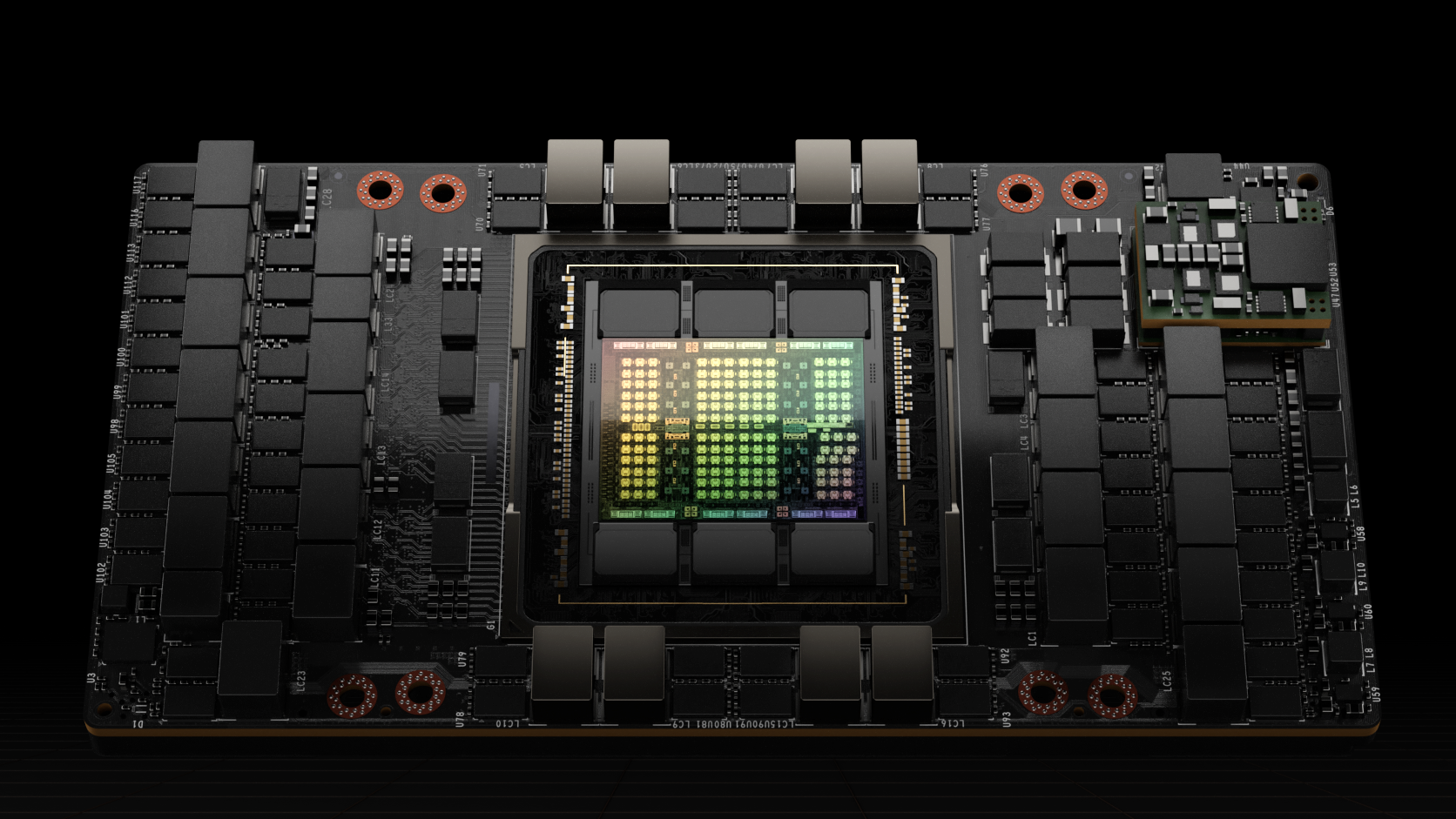
At the heart of the M100PVVR lies a dual-core quantum processor optimized for spatial rendering. This processor allows the device to interpret and display complex virtual environments with minimal latency. Combined with its lightweight composite build and adaptive cooling system, the M100PVVR achieves both comfort and performance.
The system uses what experts call Predictive Visual Rendering—an AI-based technology that anticipates the user’s eye movement and adjusts the display frame before it happens. This ensures an almost seamless, lag-free visual experience.
Advanced Optics and Display Engineering
One of the most striking features of the M100PVVR is its use of multi-focal dynamic lenses. These lenses can shift focus instantly based on where the user is looking, mimicking how the human eye naturally adjusts to depth and distance.
Additionally, the NanoPixel Display Matrix provides ultra-HD resolution with 360° coverage and zero distortion. Each lens module contains micro-projectors that render light in a volumetric pattern, allowing users to see depth in a way traditional headsets cannot replicate.
Spatial Audio and Environmental Awareness
The M100PVVR doesn’t just focus on what users see—it also elevates what they hear. The system employs Adaptive Spatial Audio Mapping, which recreates realistic soundscapes through embedded micro-speakers and vibration sensors.
When users turn their heads or move around a virtual environment, the sound dynamically changes, accurately simulating real-world acoustic behavior. This feature is crucial for immersive simulations like concerts, virtual tourism, or combat training exercises.
Haptic Feedback and Physical Interaction
Haptic technology has always been a major challenge for VR systems, but M100PVVR takes it several steps further. Using Precision Vibrotactile Layers, the headset and controller can simulate subtle touch sensations—such as the texture of an object, the resistance of materials, or even environmental vibrations.
For instance, if a user interacts with a virtual object like a metal door, they can feel the cold surface and resistance as if it were real. This physical responsiveness adds another layer of realism to virtual experiences, enhancing both entertainment and professional applications.
Integration of Artificial Intelligence
Artificial Intelligence plays a central role in the M100PVVR system. It uses AI-driven sensory algorithms to adapt to individual users. The system learns from behavioral patterns—how long users focus on certain objects, their movement speed, and even biometric feedback—to optimize performance.
For example, during a virtual training session, M100PVVR can dynamically adjust the difficulty level or reconfigure the simulation to match the user’s skill development. In medical applications, it can personalize rehabilitation exercises in real-time, responding to muscle tension and movement accuracy.
Real-Time Motion Tracking System
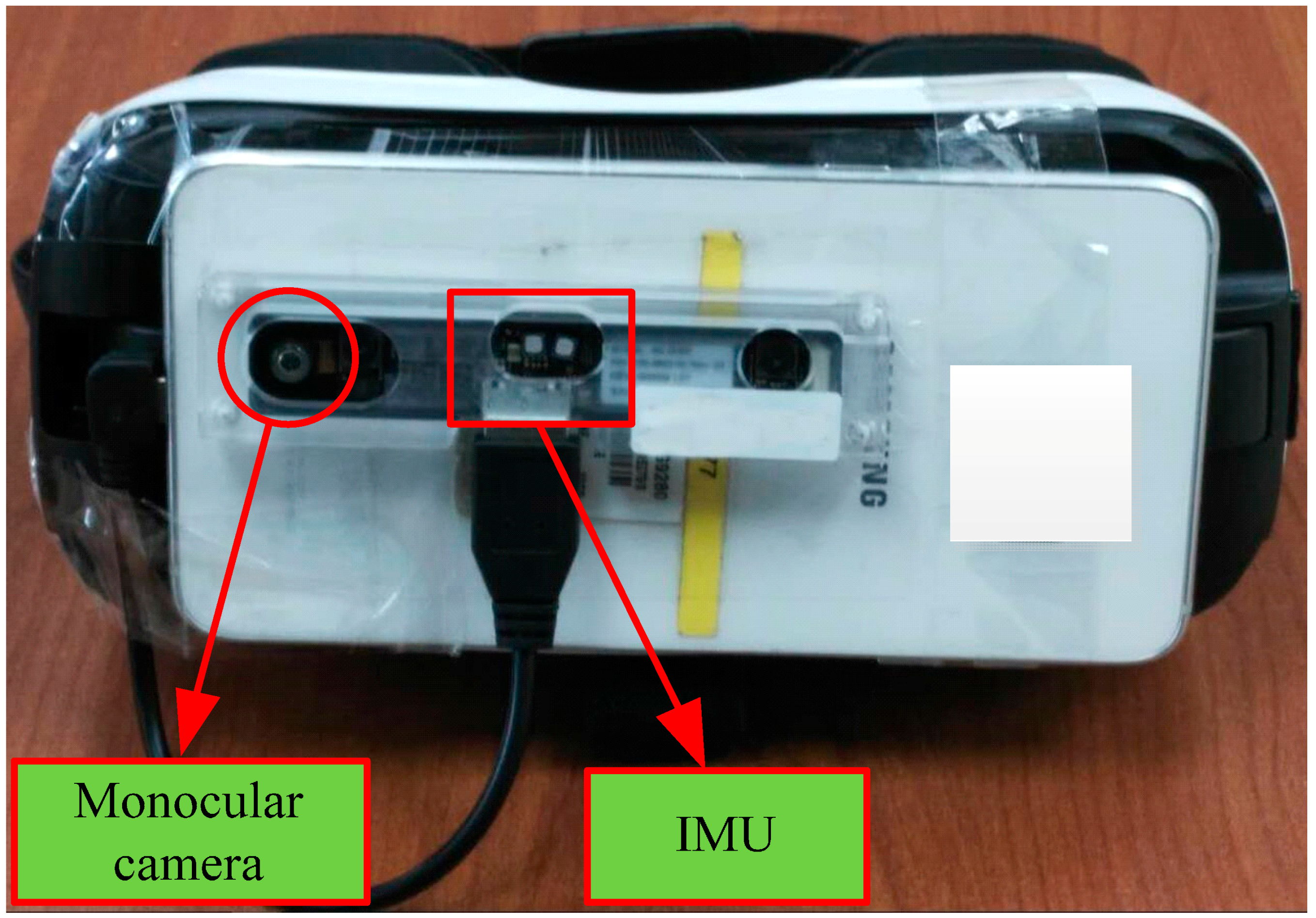
The M100PVVR employs an ultra-precise OmniTrack Sensor Grid that monitors movement within a 0.01-millisecond response time. It combines gyroscopic stabilization with infrared beacons to ensure flawless alignment of physical and digital spaces.
Unlike earlier systems, M100PVVR doesn’t require external base stations. The device features embedded sensors that scan the surrounding environment, mapping surfaces and objects in real-time. This makes it ideal for both indoor and outdoor use.
Connectivity and Compatibility
Modern VR devices often face compatibility challenges, but the M100PVVR excels here too. It supports Wi-Fi 7, Bluetooth 6.0, and QuantumLink, a proprietary low-latency connection protocol that ensures rapid data transmission.
The headset can integrate seamlessly with mobile devices, PCs, and cloud computing platforms. Additionally, the developers have hinted at future support for neural interface compatibility, allowing users to interact directly through cognitive impulses.
Power Efficiency and Sustainability
The M100PVVR incorporates an eco-conscious design with advanced power management. Its SmartCharge PowerCore system can operate for 10 continuous hours on a single charge. Moreover, it supports solar-assisted charging, making it suitable for fieldwork and outdoor simulations.
From a sustainability perspective, its frame is made from biodegradable polymer composites—highlighting the industry’s move toward environmentally responsible production.
Security and Data Integrity
In a world increasingly concerned with privacy, the M100PVVR integrates a multi-tier encryption system that safeguards both user data and system integrity. All sensory recordings, motion data, and environmental scans are stored using quantum-encrypted nodes.
This ensures that even in collaborative VR workspaces, personal information remains protected. For corporate or defense users, it also supports biometric authentication and secure cloud partitioning for classified data.
Applications Across Industries
The M100PVVR is more than a gaming tool—it’s a transformative solution for various sectors. In medicine, it supports virtual surgeries and therapy training. In engineering, it allows for 3D design and real-time prototyping. For education, it creates immersive learning environments where students can explore historical sites or complex biological systems.
Even the aerospace and military industries are exploring its capabilities for pilot simulations and tactical mission planning.
The Future of M100PVVR Technology
As the developers continue refining the M100PVVR, upcoming models are expected to include neural feedback loops and AI cognitive synchronization, where the device can interpret user emotions and stress responses. This would allow VR environments to adapt dynamically—not just to actions, but to emotions—creating a holistic virtual experience.
With continued research into brain-computer interfaces, M100PVVR could one day bridge the gap between human cognition and digital consciousness.
Conclusion
The M100PVVR is not just an evolution—it’s a revolution. By merging optics, AI, haptics, and environmental sensing, it achieves an unprecedented level of immersion. Whether used for gaming, education, or industry, it represents a monumental step toward a future where the boundary between the virtual and physical worlds disappears.
As innovation accelerates, M100PVVR stands as a beacon of what’s possible when human ingenuity and advanced engineering converge. It’s more than technology—it’s the beginning of a new human experience.
FAQs
1. What makes M100PVVR different from traditional VR headsets?
Unlike standard VR systems, the M100PVVR integrates AI, predictive rendering, and multi-focal lenses that adjust automatically based on the user’s focus. This eliminates lag and delivers a more natural, lifelike visual experience.
2. How does M100PVVR enhance realism through sensory feedback?
Through its Precision Vibrotactile Layers and adaptive spatial audio, M100PVVR can simulate textures, vibrations, and sounds that correspond perfectly with virtual actions. This enables full sensory immersion, allowing users to feel and hear their digital surroundings in real-time.
3. What industries benefit most from M100PVVR technology?
Beyond gaming, M100PVVR has significant applications in healthcare, education, defense, architecture, and industrial design. For example, surgeons can perform realistic training simulations, and engineers can test prototypes virtually before physical production.
4. How does AI contribute to the M100PVVR experience?
AI enhances personalization by learning from the user’s movement, gaze, and cognitive responses. It automatically adjusts lighting, difficulty levels, and object interactions, creating a custom experience for every user.
5. What is the future potential of M100PVVR?
Future iterations of M100PVVR are expected to include brain-computer interface technology, allowing direct neural interaction with virtual spaces. This could pave the way for emotion-driven VR experiences, telepresence applications, and fully adaptive virtual ecosystems.
