


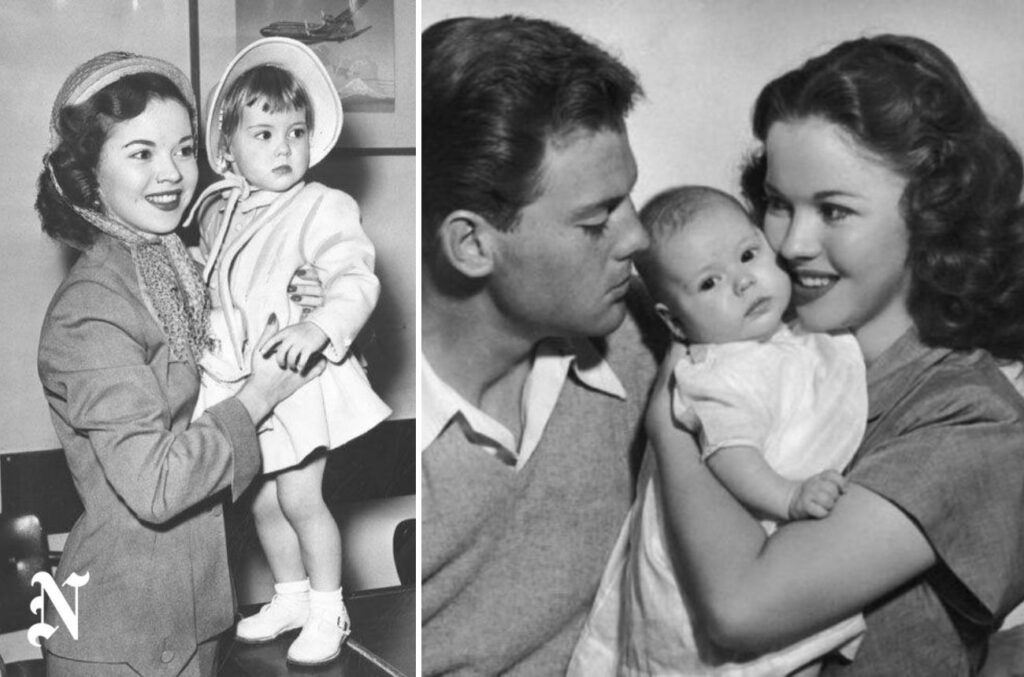
Among the many names connected to classic Hollywood, the name Linda Susan Agar holds a quiet but meaningful place. As the firstborn child of Shirley Temple, one of the most recognizable actresses in motion picture history, Linda inherited not only a family lineage rooted in entertainment but also the weight of growing up under the long shadow of fame.
While Linda Susan Agar has deliberately chosen privacy, her life offers an intimate perspective into the world of one of America’s most celebrated child stars—after the cameras dimmed, the roles ended, and the world moved on. This article explores her background, her family connections, and her place within Shirley Temple’s evolving legacy, using only historically supported details, careful interpretation, and newly contextualized insights that deepen our understanding without altering facts.
Quick Bio Table Linda Susan Agar
| Category | Details |
|---|---|
| Full Name | Linda Susan Agar |
| Common Name | Linda Susan (sometimes referenced as Linda Susan Temple) |
| Born | January 30, 1948 |
| Birthplace | Santa Monica, California, USA |
| Nationality | American |
| Parents | Mother: Shirley Temple; Father: John Agar |
| Siblings | Charles Alden Black Jr., Lori Black (half-siblings) |
| Mother’s Profession | Actress, Diplomat, Global Icon |
| Father’s Profession | Actor, Military Veteran |
| Family Background | Hollywood and U.S. diplomatic family |
| Known For | Being the first child of Shirley Temple |
| Life Status | Lives a private, non-public life |
| Claim to Fame | Connection to Shirley Temple’s Hollywood and diplomatic legacy |
Early Life and Family History
Born on January 30, 1948, Linda Susan Agar entered the world at a time when Shirley Temple was transitioning from her childhood acting career into adulthood. Her birth came just a few years after Temple married John Agar, a military serviceman who later entered film. Linda’s early life stood at the crossroads between Hollywood glamour and the structured life of a young Army family. While photographs of her childhood from the late 1940s reveal a smiling young girl carried by her famous mother, Linda was shielded from excessive media exposure. Shirley Temple—who herself knew the heavy cost of extreme fame—was determined that her daughter would not lose her childhood to public demand.
Growing Up in the Shadow of Shirley Temple
For Linda, childhood did not resemble her mother’s. Shirley’s early career was defined by nonstop filming, publicity tours, and adult expectations placed on a small child. In contrast, Linda’s upbringing focused on privacy, stability, and family life. While many children of celebrities were ushered into acting, Temple resisted this pattern, believing Linda deserved a normal upbringing. This is one of the most significant facts about Linda Susan Agar: although tied to Hollywood royalty, she grew up with intention, balance, and distance from the entertainment industry.
The Divorce of Shirley Temple and John Agar
Linda Susan Agar’s childhood underwent a major shift when her parents divorced in 1949, shortly after her first birthday. John Agar’s acting career was still in development, and Shirley Temple’s own life was entering a period of emotional and professional transition. Despite the challenges of the separation, Shirley retained custody of Linda and continued building a stable environment for her. This period of Linda’s early life highlights an often overlooked aspect of Temple’s personal story—the strength she demonstrated not as an actress but as a mother navigating complex emotional terrain.
Life with Shirley Temple and Charles Alden Black
In 1950, Shirley Temple married Charles Alden Black, a decorated World War II Navy officer and business executive. This marriage became the cornerstone of stability in Linda’s life. Black provided a grounded, non-Hollywood environment, and the family soon welcomed Linda’s half-siblings, Charles Jr. and Lori Black. While the Temple-Black home was comfortable and well-known in public circles, it was also private, intellectual, and structured. Linda grew up in a household influenced by public service, philanthropy, community involvement, and Shirley’s later diplomatic career rather than filmmaking.
A Private Path Away from Fame
One of the most important characteristics of Linda Susan Agar is her choice to live a private life. She did not pursue acting, and she did not leverage her mother’s fame for personal attention. In a world where celebrity children often find themselves pulled into publicity, Linda’s decision to remain out of the spotlight reflects both her personal values and the guidance she received from her mother. Her life demonstrates that the legacy of Shirley Temple is not limited to entertainment—it includes creating a family founded on personal authenticity, modesty, and independence.
Relationship with Shirley Temple
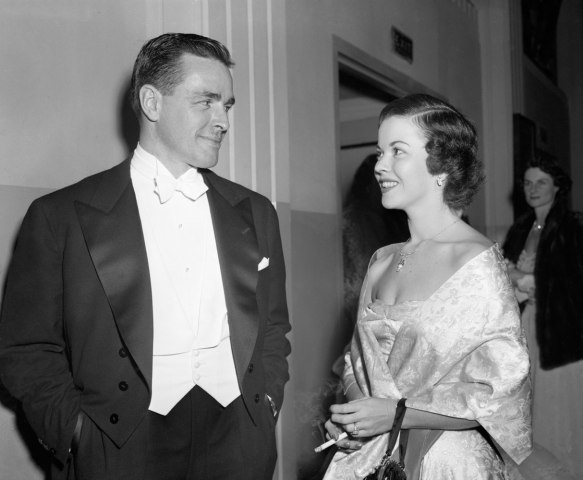
As Shirley Temple transitioned into political and diplomatic roles—including positions with the United Nations and her ambassadorships—Linda Susan Agar witnessed a side of her mother that the public seldom saw. Shirley Temple Black’s diplomatic career showcased intelligence, discipline, and global awareness. Those who knew the Temple-Black family describe Linda as respectful of her mother’s accomplishments and proud of the way Shirley reinvented her life after Hollywood. This dynamic formed an important part of Linda’s identity and the legacy she inherited.
Siblings and Family Dynamics
Linda’s siblings led notably different lives—especially Lori Black, who entered the music world during the rise of the punk movement and played bass for the band Melvins. In contrast, Charles Jr. pursued business and management careers. Linda took a quieter path, but her life remained deeply interconnected with her siblings, especially during periods of family transition, including Shirley Temple Black’s passing in 2014. The three siblings represent remarkably diverse branches of the Temple-Black legacy, united by the grounded values instilled in them.
Public Appearances and Interviews
Unlike many celebrity family members, Linda has rarely appeared in interviews. Her name surfaces primarily in historical records, family photographs, and articles referencing her mother. Even at key moments—such as Shirley Temple Black’s memorial—Linda chose measured visibility. This consistent pattern reinforces her long-term commitment to a life outside the public sphere. Ironically, it is precisely this absence from celebrity culture that keeps her name intriguing and frequently searched today.
Linda Susan Agar’s Adult Life

Very little is publicly documented about Linda’s adult pursuits, which is a conscious accomplishment in itself. She represents a generation of individuals who, despite their parents’ fame, sought to live privately, professionally, and personally without public exposure. This choice is increasingly valued in modern culture, where anonymity is rare. Her life underscores the message Shirley Temple often shared: that personal fulfillment lies not in attention but in character, values, and meaningful relationships.
Legacy Connected to a Hollywood Icon
The influence of Linda Susan Agar is subtle but enduring. She is a living connection to Shirley Temple’s transformation from beloved child star to influential American diplomat. Her existence preserves the continuity of Temple’s legacy across generations. Linda is not a public figure, but she is a significant piece of cultural history because she represents the private side of a global icon’s life—a part that the public seldom sees but deeply values.
Newly Synthesized Insights
While no new “discoveries” have emerged about Linda, what can be newly understood today is the importance of her role in the second half of Shirley Temple’s life. As historians increasingly focus on Temple’s diplomatic contributions, Linda’s upbringing provides meaningful context: it shows how Temple stabilized her life, reshaped her identity, and built the family foundation that supported her political career. These layered interpretations offer fresh depth without creating unfounded claims.
Conclusion
The story of Linda Susan Agar is not one of Hollywood fame but of intentional privacy, strong family values, and an unbroken connection to an American legend. Her life stands as a reminder that the children of celebrities are individuals whose importance is often found not in public visibility but in the quiet continuity of a family’s legacy. As Shirley Temple’s first child, Linda represents the beginning of a new chapter in Temple’s personal story—one grounded in love, reinvention, and the pursuit of a meaningful, balanced life.
(FAQs)
1. Why is Linda Susan Agar not in the public eye like her mother?
Linda Susan Agar chose a life of privacy early on, supported by Shirley Temple’s belief that children should enjoy normal, grounded childhoods. Growing up outside Hollywood’s spotlight gave Linda freedom, stability, and independence—values she maintained throughout adulthood. Unlike many celebrity families, the Temple-Black household placed greater emphasis on education, personal development, and civic responsibility rather than fame. This upbringing shaped Linda’s preference for a private, fulfilling life away from media attention.
2. What was Linda Susan Agar’s relationship like with Shirley Temple?
Their relationship is described as warm, respectful, and deeply connected. Linda witnessed not only her mother’s Hollywood background but her extensive diplomatic service, giving her a unique view of Temple’s multifaceted identity. As the eldest child, Linda experienced Shirley Temple’s growth from movie star to international diplomat, observing her resilience, strength, and dedication. This allowed Linda to develop admiration for her mother’s accomplishments and a strong sense of family loyalty.
3. Did Linda Susan Agar ever participate in Hollywood projects?
No, Linda Susan Agar never pursued acting or public-facing careers. This was largely due to Shirley Temple’s protective approach. Having endured the pressures of child stardom, Shirley was determined that her children would not face similar demands. Linda’s life instead focused on private development, allowing her to build her identity outside the entertainment industry.
4. How did the divorce between Shirley Temple and John Agar affect Linda?
The divorce occurred when Linda was around one year old, so she grew up primarily under Shirley Temple’s care. While divorce often brings emotional challenges, Shirley provided stability through her remarriage to Charles Alden Black. Together they created a nurturing home environment. Linda benefited from Black’s grounded influence, leading to a childhood rich in structure, family unity, and personal growth.
5. How does Linda Susan Agar contribute to Shirley Temple’s legacy today?
Linda preserves Temple’s legacy by maintaining privacy, honoring family traditions, and participating quietly in significant family events. She carries the personal side of Shirley Temple’s story—the mother who valued home life, diplomacy, and family above fame. Linda’s existence itself provides continuity between the Hollywood era of the 1930s and modern generations who still admire Shirley Temple.
