


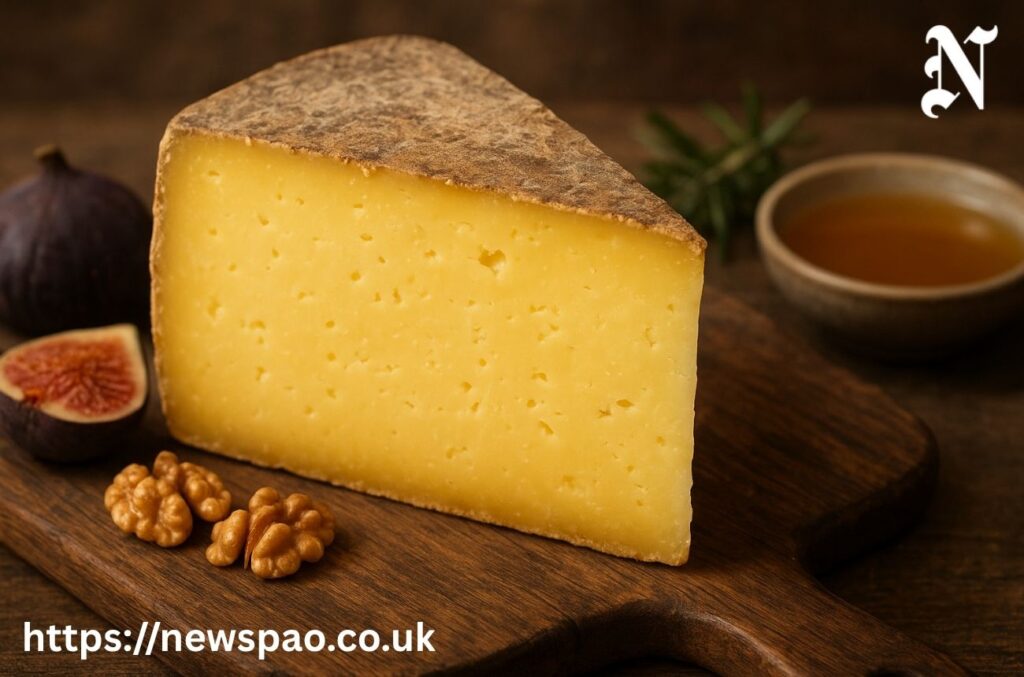
In the world of artisanal cheese, where flavors meet history and craftsmanship, Grouse Cheese has emerged as an elite delicacy. Often misunderstood or unheard of, Grouse Cheese is quietly taking center stage among culinary circles. For food lovers craving a deeper experience beyond the ordinary cheddar or brie, Grouse Cheese offers complexity, heritage, and innovation.
This guide explores everything about Grouse Cheese — its origin, unique flavor profile, nutritional benefits, and how it’s making a name in modern cuisine. Whether you’re a curious foodie or a gourmet connoisseur, you’ll leave with a deep appreciation for this rare and richly flavored cheese.
The Mysterious Origins of Grouse Cheese
Grouse Cheese is steeped in history. Its name may suggest cheese made from the grouse bird, but in reality, the cheese has symbolic ties rather than literal ones. Grouse, a wild bird native to Northern Europe, symbolizes earthiness and rustic purity — characteristics that closely mirror the essence of this cheese.
Historically, cheesemakers in alpine regions began experimenting with aging dairy in environments where wild herbs and smoke from game meat cooking permeated the air. The result? Cheeses that developed bold, woody, and slightly gamey undertones — and thus, Grouse Cheese was born.
By 2023, a few artisan creameries in the UK and Scandinavia began refining this method into a controlled infusion process, sometimes aging cheese in cellars used to hang smoked grouse or infusing dairy with wild botanicals found in grouse habitats.
What Exactly Is Grouse Cheese?
Grouse Cheese is an artisanal product that can be defined in two main ways:
-
Traditional Style: Aged cheese made from cow, goat, or sheep milk, developed in environments rich with natural aromatics reminiscent of grouse habitats.
-
Infused Style: Cheese enhanced with grouse reduction, wild herb blends, or light smoke infusions to emulate the flavor profile of game meat.
Though not made from the bird itself, the cheese captures the rustic essence of grouse — making it a prized pairing in fine-dining and game-themed menus.
Types and Regional Varieties of Grouse Cheese
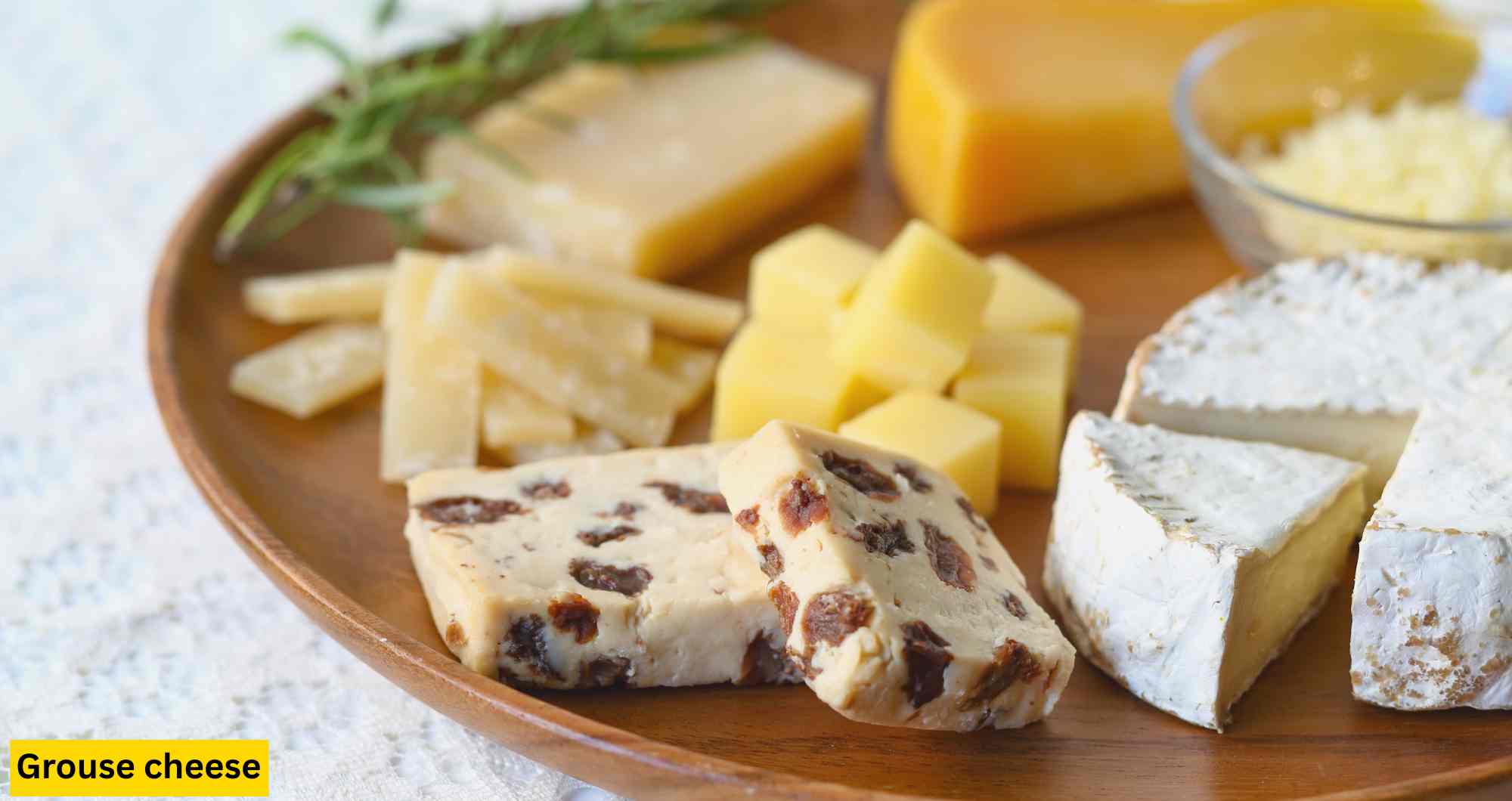
Depending on where it’s made, Grouse Cheese comes in various styles:
| Region | Milk Source | Aging Time | Flavor Notes | Texture |
|---|---|---|---|---|
| Northern Scotland | Cow’s Milk | 9 months | Smoky, nutty, faintly herbal | Semi-hard |
| Sweden (Skåne) | Goat’s Milk | 5 months | Tangy, grassy, lightly smoked | Creamy, spreadable |
| North Yorkshire | Sheep’s Milk | 12 months | Robust, earthy, wild herb and moss hints | Crumbly and rich |
Each variation reflects the environment it’s made in — from herb-grazed pastures to cellars scented with firewood and juniper.
The Art of Crafting Grouse Cheese
Making Grouse Cheese is a craft passed down through generations but recently refined with modern techniques. The key steps include:
-
Milk Selection: Free-range animals grazing on wild herbs create milk with richer aromatic compounds.
-
Natural Culturing: Artisanal cultures are added, sometimes including bacteria found in forest environments.
-
Aging Environment: The cheese is often matured in cellars with smoked meats, dried herbs, or wild moss to impart a natural, earthy depth.
-
Brining and Rind Washing: Some cheesemakers use grouse stock or smoked herb brine to wash the rind, adding unique flavor layers.
No two wheels of Grouse Cheese are identical — and that’s exactly what makes it so sought-after.
Nutritional Value of Grouse Cheese
Despite its gourmet status, Grouse Cheese is surprisingly nutritious when consumed in moderation.
| Nutrient | Per 100g | Benefit |
|---|---|---|
| Protein | 21–24g | Muscle support, satiety |
| Calcium | 600–700mg | Bone strength, dental health |
| Vitamin B12 | 1.5µg | Energy, cognitive function |
| Healthy Fats | 26–30g | Hormone support, vitamin absorption |
| Probiotics | Present (aged types) | Gut health, immune support |
Its natural fermentation process also makes it more digestible for those sensitive to commercial dairy products.
The Signature Flavor Profile
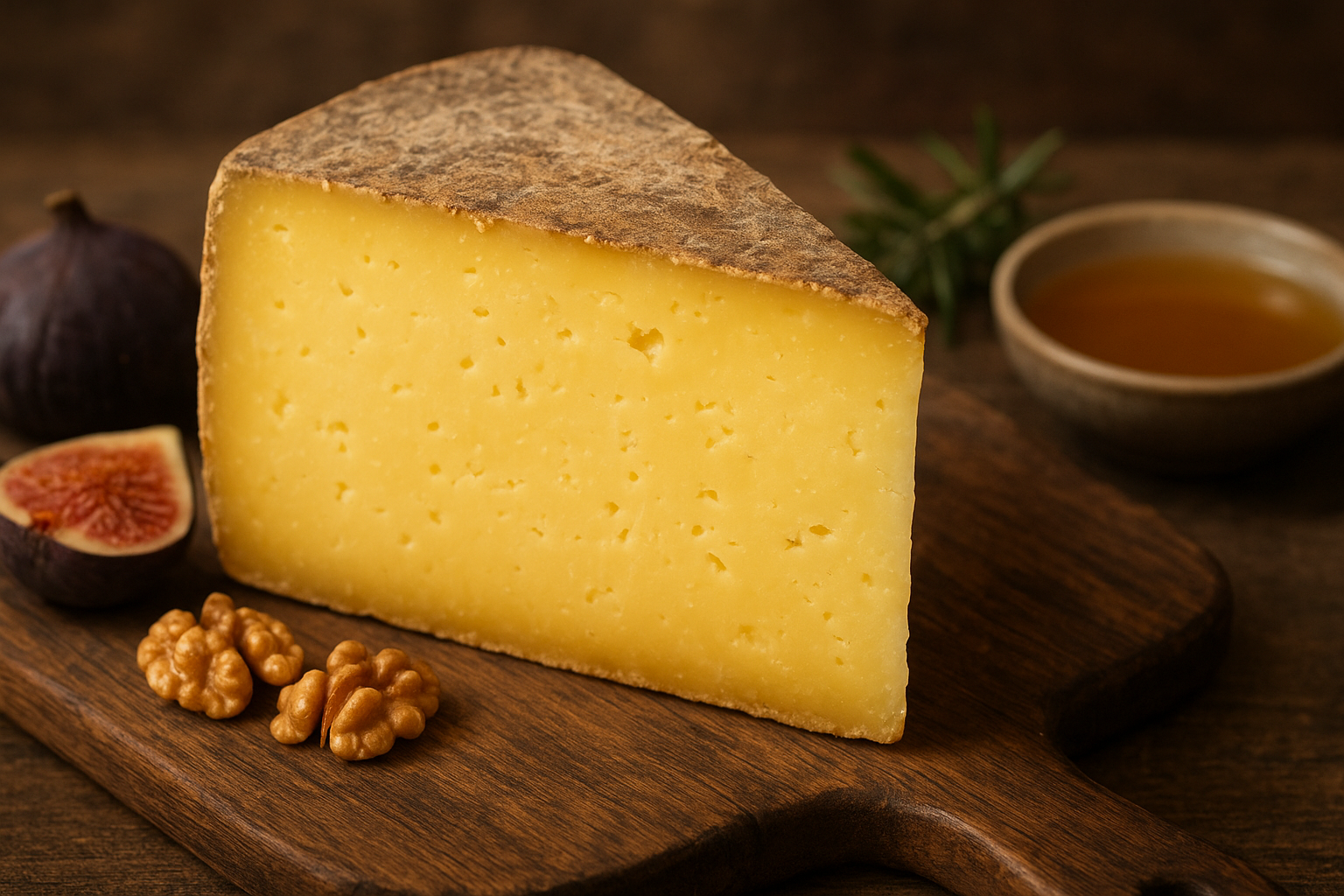
The first bite of Grouse Cheese is unforgettable.
-
Younger cheeses: Mild, grassy, slightly tangy.
-
Aged cheeses: Deeply earthy, smoky, with wildflower or herbaceous notes.
-
Infused types: Carry subtle gamey undertones, especially when paired with grouse reduction or forest herbs.
The rind — often brushed with smoked oils or wild flora — adds another layer of complexity.
Culinary Applications: How Chefs Use Grouse Cheese
Chefs across Europe and North America are embracing Grouse Cheese as a gourmet element. Common uses include:
-
Wild Game Platters: Served with venison, roasted grouse, or boar terrines.
-
Fine Pastas: Grated over truffle and mushroom tagliatelle.
-
Savory Cheesecakes: Used in wild herb cheesecake with sour berry glaze.
-
Stuffed Game Birds: Melted inside roast quail or pheasant.
Its robust nature allows it to stand up to bold flavors, making it a darling of fall and winter menus.
Ideal Pairings with Grouse Cheese
Pairing Grouse Cheese is all about harmony.
Wine Pairings:
-
Red: Pinot Noir, Syrah, Tempranillo
-
White: Oaked Chardonnay, Gewürztraminer
Food Pairings:
-
Roasted nuts, especially hazelnuts
-
Wild mushrooms
-
Juniper or cranberry sauces
-
Sourdough rye or herb flatbread
For a sensational finish, drizzle with truffle honey or serve with preserved berries.
Making Grouse Cheese at Home: A Flavor Replication Guide
While traditional Grouse Cheese is hard to make without a cave and aging cellar, you can replicate its flavor at home:
-
Base Cheese: Choose a mild brie or hard cheddar.
-
Infusion Brine: Make a reduction using grouse bones, herbs, and red wine.
-
Application: Brush the cheese every 24 hours, re-wrap, and chill.
-
Wait: After 7–10 days, the outer layers will have absorbed the aromatic blend.
Not the real deal — but a flavorful tribute.
Ethical and Sustainable Considerations
Given its ties to game birds, Grouse Cheese raises ethical sourcing questions. The good news is, most versions are vegetarian, with flavor notes inspired by smoke and herbs rather than meat.
However, some small dairies do use grouse-infused brine or store their cheese in areas with smoked meat. Always check with the producer if this matters to you.
Look for:
-
Sustainable Game Sourcing labels
-
Vegetarian-Friendly assurance
-
Farm Traceability
Availability and Buying Tips
Grouse Cheese remains a niche product. Here’s where to find it:
-
Artisan Cheesemongers: Especially in the UK, Sweden, and the US.
-
Gourmet Online Stores: Seasonal availability, often in fall/winter.
-
Wild Food Festivals: Look out for local wild game and cheese vendors.
Top brands include:
-
Hill & Moorland Creamery (UK)
-
Fjallskär Dairy (Sweden)
-
Bramble & Hunt (USA importer)
Expect prices to be higher — but worth every bite.
Storage and Care Tips
To enjoy Grouse Cheese at its best:
| Storage Method | Duration | Notes |
|---|---|---|
| Wrapped in Wax Paper | 7–10 days | Store in fridge drawer |
| Vacuum Sealed | Up to 2 months | Best for unopened wheels |
| Freezing | Not recommended | Alters flavor and texture |
Always bring to room temperature before serving.
Grouse Cheese
What makes Grouse Cheese so special is not just the taste, but the story it tells. It’s a cheese born from landscapes, shaped by tradition, and elevated through innovation. It captures the wild — the hills, the forests, the smoke from a hunter’s fire — all in a single bite.
In an era where food trends change overnight, remains a timeless, seasonal, and soulful delicacy for true lovers of taste.
