


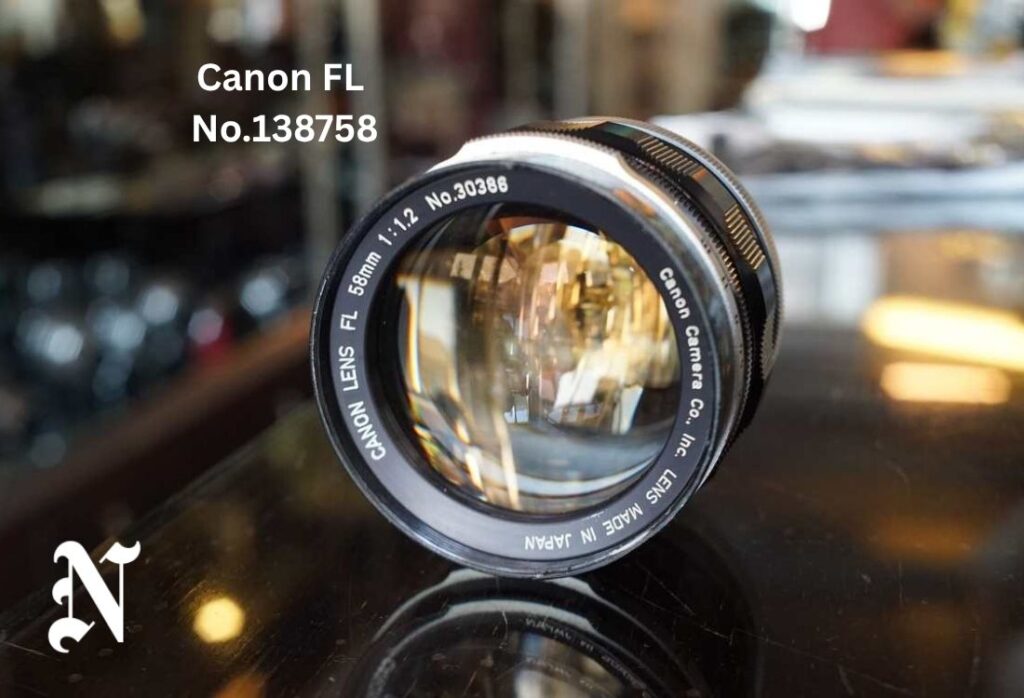
The world of vintage lenses has witnessed a revival among photographers who crave the distinctive character and craftsmanship of older optics. Among these, the Canon FL No.138758 stands out as a prized piece of engineering history. Originally designed in the 1960s for Canon’s FL-mount SLR cameras, this lens represents an era when precision, manual control, and optical purity defined photography. Today, modern photographers are rediscovering its magic by adapting it for digital use. This article delves deep into the origins, features, and modern usability of the Canon FL No.138758—an iconic lens bridging the gap between analog legacy and digital innovation.
Origins of the Canon FL Series
Before the autofocus revolution, Canon’s FL series lenses were the backbone of professional and enthusiast photography. Released between 1964 and 1971, the FL mount served as a precursor to the well-known FD and EF mounts. The Canon FL No.138758 belongs to this historic lineup, a product of Canon’s pursuit of optical excellence. Its build quality, engraved serial number, and precise aperture mechanism reflected the high standards of post-war Japanese engineering. Each lens was handcrafted and individually calibrated, explaining why the serial number—No.138758—remains an important marker for collectors and technicians alike.
The Significance of Serial Number No.138758

Every Canon FL lens was assigned a unique serial number, indicating its production batch and assembly period. The No.138758 variant has gained attention among collectors and optical historians due to its association with early manufacturing runs. These early units often featured higher-quality glass coatings and brass internal mechanisms before Canon transitioned to lighter alloys. As a result, the No.138758 is considered one of the “golden batch” lenses—renowned for its consistent color rendition, smooth focusing, and durable helicoid structure that has stood the test of time.
Construction and Design Philosophy
The Canon FL No.138758 embodies the precision-driven design philosophy of the 1960s. Its all-metal chassis, click-stop aperture ring, and manual focusing system make it a tactile joy to use. The glass elements were carefully arranged to minimize chromatic aberration, providing a warm and slightly vintage tone that modern glass often lacks. The lens also incorporates Canon’s early multicoating technology, which reduces flaring while retaining natural contrast. At approximately 400 grams, it balances beautifully even on today’s mirrorless cameras when used with an adapter.
Optical Performance and Character
One of the reasons photographers seek out the Canon FL No.138758 is its unique rendering style. The lens produces images that are sharp at the center yet soft around the edges, creating a natural vignette that enhances subject isolation. The color reproduction leans toward warm, organic tones—perfect for portraiture and vintage-inspired street photography. Its bokeh is buttery smooth thanks to its curved aperture blades, offering a cinematic look that modern digital lenses often fail to replicate. When paired with high-resolution sensors, the Canon FL No.138758 delivers a timeless aesthetic that blends nostalgia with clarity.
Compatibility Challenges with Modern Cameras
While its optical performance is exceptional, using the Canon FL No.138758 on today’s cameras presents a few technical hurdles. The FL mount is mechanically different from Canon’s later FD and EF mounts, meaning it cannot directly attach to most DSLRs or mirrorless cameras without an adapter. However, advancements in mount adapter technology have made it easier than ever to bridge this gap. With the right adapter, this vintage lens can be used on systems like Sony E-mount, Canon RF, Nikon Z, and Micro Four Thirds. These adapters preserve infinity focus and maintain the lens’s native aperture control.
Choosing the Right Adapter
To make the most of the Canon FL No.138758, selecting a high-quality adapter is crucial. Cheap adapters may introduce light leaks or alignment issues, affecting image sharpness. Brands like K&F Concept, Fotodiox, and Viltrox are well-known for producing reliable FL-to-digital adapters. Photographers should ensure the adapter includes proper flange distance calibration to retain optical accuracy. Some adapters even come with built-in focusing helicoids for achieving macro effects, expanding the creative potential of the Canon FL lens system on modern cameras.
Handling and User Experience
Photographers who have used the Canon FL No.138758 often praise its exceptional handling. The manual focusing ring operates with buttery precision, offering about 200 degrees of rotation—ideal for fine focusing during portrait or landscape shots. The aperture ring’s satisfying click feedback allows intuitive exposure control, even without electronic communication. Though lacking autofocus and image stabilization, the tactile experience of manual operation adds a sense of craftsmanship and intentionality rarely found in digital-era lenses.
Adapting for Video Work
In recent years, filmmakers have adopted vintage lenses like the Canon FL No.138758 for their cinematic color palette and organic flare characteristics. When used with mirrorless cinema cameras such as the Sony FX3 or Blackmagic Pocket Cinema Camera, the lens produces a distinctive analog aesthetic—soft highlights, natural contrast, and gentle focus transitions. With focus gears attached, it integrates seamlessly into modern filmmaking rigs. Its minimal distortion makes it ideal for interviews, documentary work, and stylized narrative projects where authenticity and texture matter more than clinical sharpness.
Maintenance and Restoration Tips
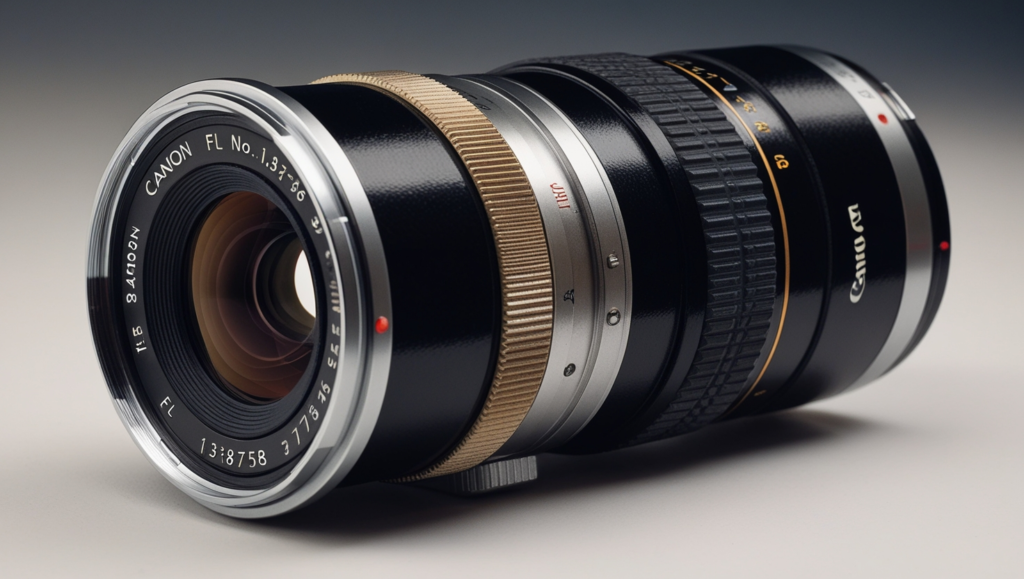
Given its age, the Canon FL No.138758 may require periodic maintenance. Dust and slight haze inside the elements are common but can be cleaned professionally. It’s important to avoid excessive disassembly since older lubricants and delicate coatings can be damaged easily. Applying new helicoid grease and checking aperture blade tension can restore smooth operation. Collectors also recommend storing it in a dry cabinet to prevent fungus formation—a common issue among vintage optics exposed to humidity.
Collector’s Value and Market Trends
The market for vintage lenses has grown significantly, with certain FL series models commanding premium prices. The Canon FL No.138758, especially when in pristine condition, is valued not just as a functional tool but as a collectible artifact. Serial numbers within the early production range—like this one—can fetch higher prices due to their rarity. As digital creators increasingly pursue authentic vintage aesthetics, demand for these lenses continues to rise, making the Canon FL No.138758 both an investment and an artistic asset.
Comparing the Canon FL to Modern EF and RF Lenses
When compared to modern Canon EF and RF lenses, the Canon FL No.138758 obviously lacks autofocus, weather sealing, and electronic control. However, it excels in one area—character. Modern lenses may deliver optical perfection, but they often lack the unique imperfections that give images soul. The FL lens brings warmth, softness, and unpredictability that evoke an emotional response. Many photographers use it alongside modern glass, alternating between digital precision and vintage emotion depending on the project’s tone.
The Art of Hybrid Photography
The concept of “hybrid photography” has emerged as a growing trend—combining old lenses with new cameras to achieve an unmatched creative blend. The Canon FL No.138758 plays a vital role in this movement. Mounted on high-end digital bodies like the Canon EOS R5 or Sony A7 series, it produces images with a delicate balance of analog charm and digital precision. This synergy highlights how legacy engineering can coexist harmoniously with technological innovation, giving artists an expanded visual language.
Conclusion
The Canon FL No.138758 isn’t just an old piece of glass—it’s a living connection to photography’s golden age. Its robust mechanics, smooth focusing, and timeless rendering style remind us why craftsmanship still matters. For photographers and videographers alike, it serves as a bridge between generations—proving that old doesn’t mean obsolete. As technology continues to evolve, lenses like the Canon FL No.138758 ensure that the art of seeing remains as soulful and human as ever.
Frequently Asked Questions (FAQs)
1. What makes the Canon FL No.138758 different from other FL lenses?
The Canon FL No.138758 belongs to one of the earliest production runs, featuring higher-grade glass and a brass internal mechanism. This specific batch is known for superior image consistency and durability. Its unique serial number also helps identify its manufacturing period, making it a sought-after collector’s item.
2. Can I use the Canon FL No.138758 on my modern mirrorless camera?
Yes, you can. With a reliable adapter, the lens works beautifully on modern systems like Sony E, Canon RF, and Nikon Z. These adapters preserve infinity focus and allow full manual control, giving digital users access to its rich, vintage rendering without compromising usability.
3. What kind of photography is best suited for the Canon FL No.138758?
The lens excels in portraiture, street photography, and cinematic visuals. Its warm tones, smooth bokeh, and organic contrast make it ideal for creative projects where mood and emotion are central to the image rather than hyper-sharp clarity.
4. How can I maintain or restore an old Canon FL No.138758 lens?
Regular cleaning, storage in a humidity-controlled environment, and occasional professional servicing are key. Dust and haze can be removed, while lubricants can be replaced for smoother focusing. However, it’s best to let an expert handle disassembly to avoid damaging delicate internal parts.
5. Is the Canon FL No.138758 worth buying today?
Absolutely. Beyond its collector’s appeal, it remains an exceptional performer when adapted to digital systems. Its affordability, unique optical signature, and timeless build quality make it a worthwhile addition to any photographer’s toolkit—especially for those exploring the art of manual photography.
