


Assimilasjon, often translated as assimilation, is a multifaceted sociocultural process that involves individuals or groups adopting the cultural traits, language, and social norms of another group—usually the dominant one. While the term is deeply rooted in anthropology and sociology, its modern interpretation extends far beyond mere cultural blending. Assimilasjon today encompasses economic integration, psychological adaptation, and identity transformation. In a rapidly globalizing world, where migration, media, and multiculturalism intersect, understanding the dimensions of assimilasjon is crucial to shaping inclusive and cohesive societies.
The Origins and Evolution of Assimilasjon
The term “assimilation” originated in the late 19th century during an era of colonial expansion and nation-building. Governments used it as a policy to integrate—or often force—minorities into dominant national cultures. Early sociologists such as Robert E. Park and Milton Gordon viewed assimilation as a linear process in which minorities gradually absorb the norms of the majority. However, in the 21st century, this theory evolved to recognize that cultural exchange is not one-sided. Assimilasjon now reflects mutual influence, where both dominant and minority cultures can transform through interaction, resulting in hybrid identities rather than erasure.
The Core Dimensions of Assimilasjon
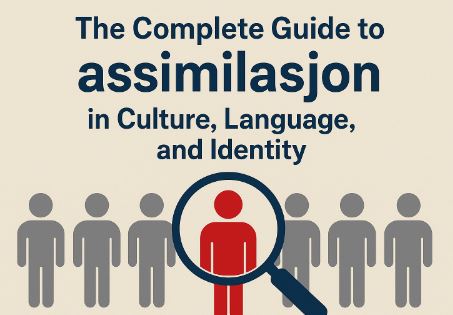
Assimilasjon operates on multiple dimensions—cultural, structural, social, and psychological.
-
Cultural assimilation occurs when an individual adopts the traditions, values, and customs of another group.
-
Structural assimilation involves gaining access to social institutions such as education, employment, and governance.
-
Social assimilation manifests through intergroup friendships, marriages, and shared social networks.
-
Psychological assimilation, the deepest level, happens when individuals begin to identify emotionally and mentally with the host culture.
Each dimension interacts, revealing that assimilation is not a single-step event but a layered process influenced by societal acceptance and personal choice.
Assimilasjon in Historical Contexts
Throughout history, assimilasjon has been both celebrated and criticized. In the early 20th century, immigrant communities in America were encouraged to “Americanize,” shedding their native languages and customs. Meanwhile, in Europe, assimilation policies often aimed to strengthen national unity at the expense of cultural diversity. These efforts produced mixed results—some individuals found opportunity and belonging, while others experienced alienation. The post–World War II era marked a turning point, as decolonization and civil rights movements challenged forced assimilation, paving the way for multicultural models that value pluralism.
Modern-Day Assimilasjon: The Global Context
In contemporary societies, assimilasjon has taken on new meanings shaped by globalization, migration, and digital connectivity. For example, immigrants today can maintain ties with their home cultures through online communities while still adapting to their host nations. This phenomenon has led to what sociologists call transnational assimilation—a dual process where individuals integrate into multiple cultures simultaneously. The internet, social media, and global entertainment further blur the boundaries of identity, making cultural assimilation a fluid and dynamic experience rather than a permanent state.
The Role of Language in Assimilasjon
Language plays a central role in assimilasjon. It serves as the gateway to social participation, education, and employment. Mastery of the host language often accelerates integration, but the process can also threaten linguistic diversity. Many minority groups struggle to preserve their native tongues while embracing new ones. Bilingualism and multilingual education programs have emerged as balanced solutions, allowing individuals to thrive in mainstream environments without abandoning their linguistic heritage. Thus, language assimilation is most successful when it fosters inclusion rather than conformity.
Psychological Impact of Assimilasjon
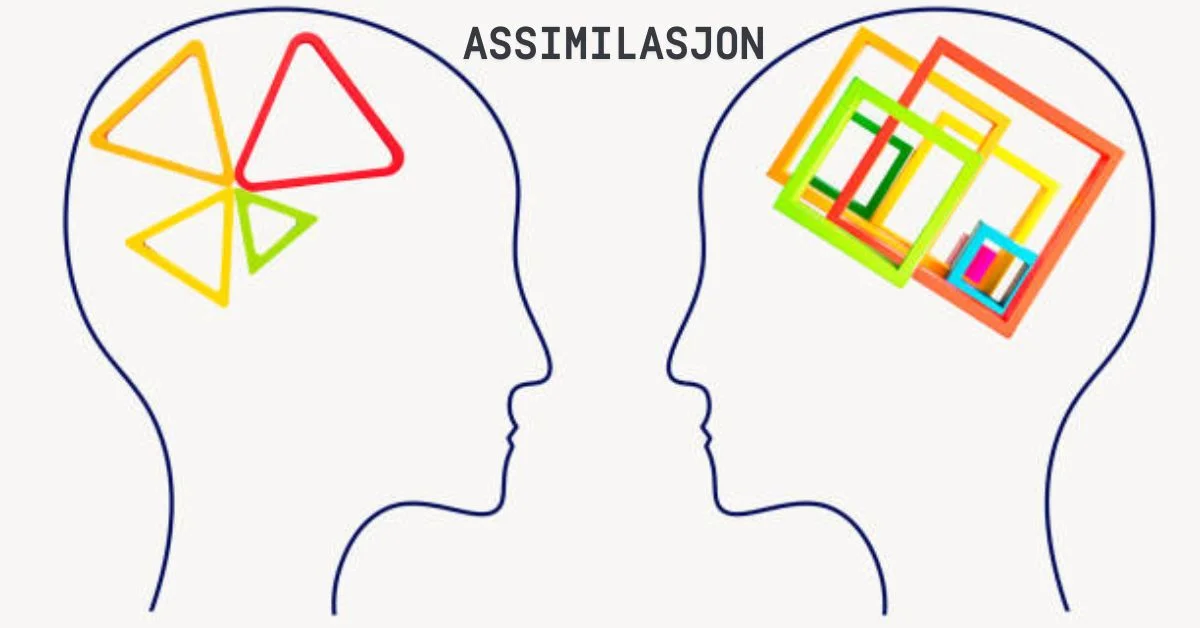
Assimilasjon is not merely a social or cultural transition—it deeply affects one’s psychological identity. Immigrants and minorities often face acculturative stress, a form of anxiety resulting from balancing old and new cultural expectations. Successful assimilation can bring confidence and belonging, while failed assimilation can lead to identity confusion and marginalization. Studies have shown that individuals who maintain a positive sense of their original identity while adapting to a new culture tend to experience healthier psychological outcomes. This balance underscores the importance of supportive integration policies and community acceptance.
Economic and Educational Dimensions
Economic participation and educational attainment are powerful indicators of assimilation success. Immigrants who gain access to quality education, vocational training, and equal employment opportunities integrate faster into the host society. Conversely, economic barriers can reinforce exclusion and prolong dependency. In countries such as Norway, Canada, and Australia, inclusive educational policies and multicultural awareness training have helped newcomers assimilate while enriching the broader economy with diverse skills and perspectives. Economic assimilation, therefore, is both a personal achievement and a national investment.
Assimilasjon and Identity Formation
Identity is the heart of the assimilation process. As people integrate into new cultures, they constantly negotiate between who they were and who they are becoming. For second-generation immigrants, this negotiation often creates a hyphenated identity—for instance, “Pakistani-Norwegian” or “Mexican-American.” Rather than a sign of divided loyalty, this dual identity represents cultural adaptability. Modern assimilation theories emphasize that identity is not lost but reshaped. Assimilasjon, when guided by mutual respect, allows individuals to construct inclusive identities that bridge cultural divides.
Challenges and Criticisms of Assimilasjon
Despite its benefits, assimilasjon remains controversial. Critics argue that it can perpetuate cultural dominance, erasing minority traditions and identities. Forced assimilation policies targeting Indigenous peoples in North America and Australia serve as painful reminders of cultural suppression. Others question whether true assimilation is even possible in societies still marked by systemic discrimination. Advocates of multiculturalism argue for integration without loss, promoting diversity as a strength. Hence, modern assimilation should prioritize equality and respect rather than uniformity.
Assimilasjon and Technology A Digital Perspective

The digital age has revolutionized the way assimilation occurs. Online platforms enable cross-cultural interaction at unprecedented scales. Immigrants can learn languages through apps, access digital education, and engage with communities worldwide. At the same time, social media exposes people to multiple cultural influences simultaneously, reshaping what it means to “assimilate.” Virtual spaces now serve as modern melting pots, where traditions, music, and ideas merge across borders. The concept of digital assimilation highlights how technology democratizes access to cultural participation.
The Role of Governments and Policies
Governments play a decisive role in shaping assimilation outcomes. Policies promoting inclusion, language education, anti-discrimination, and civic participation encourage positive integration. Countries like Canada and Sweden have adopted multicultural frameworks that balance assimilation with cultural preservation. On the other hand, restrictive immigration laws or exclusionary rhetoric can hinder integration and foster resentment. Therefore, effective assimilation policies must align social inclusion with human dignity, ensuring that diversity enhances national identity rather than threatens it.
Assimilasjon in the Future
The future of assimilasjon lies in pluralism—the coexistence of diverse cultures in shared harmony. As societies become increasingly multicultural, the goal is no longer to erase differences but to celebrate them. Assimilasjon, in its evolved sense, will likely focus on reciprocal exchange, where cultural learning flows both ways. Education systems will teach intercultural communication, workplaces will value diversity, and communities will grow more empathetic. In essence, the next era of assimilation will redefine unity not as sameness, but as connected diversity.
Conclusion
Assimilasjon is more than an academic concept—it is a lived experience shaping millions of lives worldwide. From language and education to technology and identity, its dimensions are interwoven into the fabric of globalization. While past assimilation models emphasized conformity, today’s reality demands inclusivity and balance. True assimilation honors one’s roots while embracing new horizons. As we continue to navigate a world of cultural convergence, understanding the essence of assimilasjon helps societies build bridges rather than barriers—creating a future defined by shared respect and collective growth.
FAQs
What does “Assimilasjon” mean in modern sociology?
In modern sociology, “Assimilasjon” refers to the process by which individuals or groups adapt to and integrate with a dominant culture. It includes adopting language, customs, and social practices while still retaining parts of one’s original identity. Modern perspectives view assimilation as a mutual exchange rather than a one-way transformation.
Is Assimilasjon the same as cultural integration?
Not exactly. While both involve adaptation, assimilation often implies deeper absorption of the dominant culture, sometimes at the expense of one’s native traditions. Integration, on the other hand, encourages coexistence where all cultures maintain their uniqueness while participating equally in society.
Why is language considered crucial in the process of Assimilasjon?
Language is the key to communication, education, and employment. Mastery of the host country’s language enhances social and economic participation, helping individuals feel included. However, maintaining one’s mother tongue ensures cultural continuity, making bilingualism a powerful tool for balanced assimilation.
What are the psychological effects of Assimilasjon on immigrants?
Assimilasjon can evoke mixed emotions. Some experience empowerment and belonging, while others face stress and identity loss. Studies indicate that immigrants who manage to balance their original and new cultural identities often achieve better mental health and stronger social adaptation.
How can societies encourage healthy Assimilasjon?
Societies can promote healthy assimilation through inclusive policies—such as multicultural education, equal job opportunities, and anti-discrimination measures. Encouraging cultural exchange instead of conformity allows individuals to integrate authentically, enriching national diversity rather than diminishing it.
