


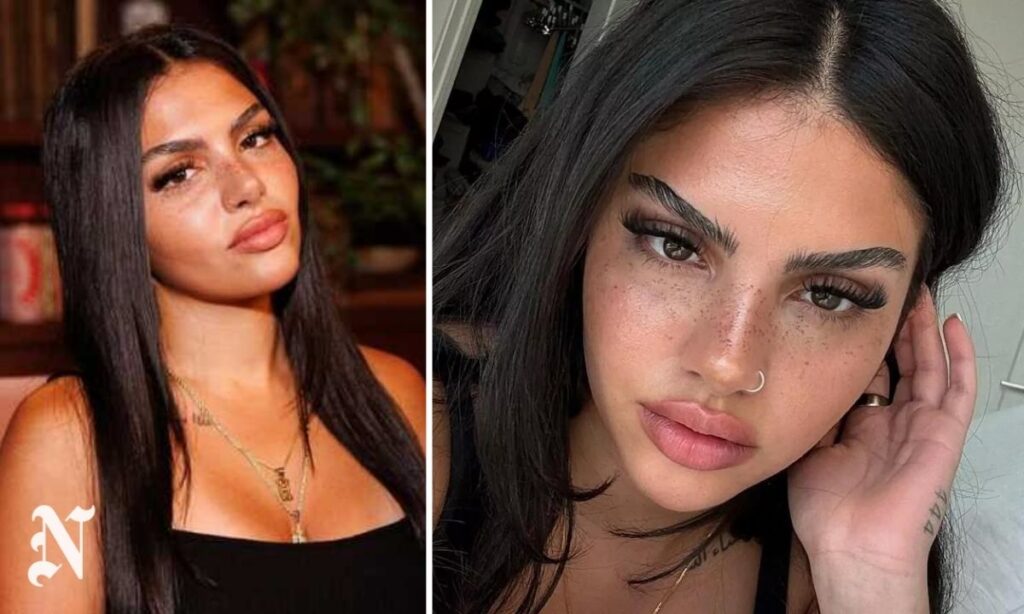
Many fans search for huda mustafa ethnicity after seeing Huda Mustafa on Love Island USA. Her name, family story, and strong public image have led to many questions. Some people want to know if she is Arab. Others ask if she is Palestinian, American, or both.
The clear answer is that Huda Mustafa is Palestinian-American. Her ethnic roots are Palestinian. Her nationality is American. She grew up in Raleigh, North Carolina. She became known to a wide audience through reality TV, fitness content, and social media.
The topic of huda mustafa ethnicity is about more than a label. It is also about family roots, culture, identity, and life in the United States. A person can have American nationality while also having a deep link to another culture. Huda’s story is a good example of this.
This article explains her background in simple words. It also looks at her early life, public career, Palestinian roots, Arab identity, and the way people talk about culture online. It avoids guesses. It focuses on details Huda has shared or that trusted public sources have reported.
Huda Mustafa Ethnicity Quick Bio
| Bio Detail | Information |
|---|---|
| Full name | Huda Mustafa |
| Known for | Love Island USA Season 7 |
| Public role | Reality TV personality and online creator |
| Hometown | Raleigh, North Carolina, United States |
| Nationality | American |
| Ethnic heritage | Palestinian |
| Wider cultural identity | Arab-American and Middle Eastern-American |
| Career background | Fitness coaching and social media content |
| Family role | Mother |
| Children | One daughter |
| TV breakthrough | Love Island USA Season 7 in 2025 |
| Public focus | Fitness, beauty, daily life, and entertainment |
| Religion | Not confirmed by Huda in a clear public statement |
What Is Huda Mustafa Ethnicity?
The answer to huda mustafa ethnicity is Palestinian. Huda has spoken about representing Palestinians and Middle Eastern people. She has also received support from Arab fans since leaving the villa.
Palestinian identity can include history, family ties, food, music, language, customs, and shared memories. It can also mean different things to different families. No two Palestinian-American homes are the same.
Huda was raised in the United States. This means her daily life was shaped by American schools, media, friends, and local culture. At the same time, her family roots connect her to Palestine and the wider Arab world.
The best way to describe huda mustafa ethnicity is Palestinian-American. The first part points to her family heritage. The second part shows her place in American life.
Is Huda Mustafa Palestinian?
Yes. Public interviews and profiles describe Huda as Palestinian-American. Huda has also spoken about her wish to represent Palestinians on a large TV platform.
This matters because Middle Eastern people have not always had much space on American reality shows. When they do appear, viewers may treat them as a symbol for a whole group. That can create support. It can also bring unfair pressure.
The search for huda mustafa ethnicity grew because many viewers had not seen a Palestinian-American woman in this kind of show before. Huda did not enter the villa as a history lesson. She entered as a full person. She was a mother, a fitness creator, a young woman, and a dating-show contestant.
Her Palestinian roots are one part of her life. They do not explain every choice she makes. Still, they are an important part of how she sees herself and how many fans see her.
Is Huda Mustafa Ethnicity Arab?
Yes. Palestinians are part of the Arab world. Arabic is the main language linked to Palestinian culture. Palestinian people also share many cultural ties with other Arab groups.
Her background may be described with more than one true word. She is Palestinian because that is her family heritage. She is Arab because Palestinians are an Arab people. She is Middle Eastern because Palestine is in the Middle East. She is American because she was raised in the United States.
These terms are not all the same. “Palestinian” is more exact. “Arab” is a wider cultural and language group. “Middle Eastern” is a broad regional term. “American” describes her nationality and public life.
It is best to use the most exact term first. That is why Palestinian-American is the clearest description.
Huda Mustafa Ethnicity Early Life
Huda is from Raleigh, North Carolina. She grew up in the United States in a family with immigrant roots. She has said that her parents came to America and became citizens.
Her childhood was not easy. In a long podcast interview, Huda spoke about family pain, money problems, bullying, and mental health struggles. Those are serious parts of her story. They should not be used as gossip or quick clickbait.
The main point is that her early life helped shape a strong and direct public voice. She learned how it feels to be judged. She also learned how hard it can be to fit into more than one world.
For readers researching huda mustafa ethnicity, her early life gives useful context. She did not grow up in Palestine. She grew up as a Palestinian-American child in North Carolina. That can bring a mix of pride, questions, and pressure.
A child from an immigrant family may follow American school life while hearing family stories from another homeland. The child may enjoy local trends but also learn family customs. That mix can build a rich identity.
Growing Up Palestinian-American
Being Palestinian-American can mean living with two strong sets of cultural signals. One comes from American life. The other comes from Palestinian family roots.
For Huda, the American side includes growing up in North Carolina, working in fitness, using social media, and joining a major U.S. reality show. The Palestinian side includes her family background and her public support for Palestinian people.
The phrase huda mustafa ethnicity often appears beside questions about nationality. This shows that many readers mix up the two words. Ethnicity and nationality are linked, but they are not equal.
Ethnicity is tied to cultural and family roots. Nationality is tied to a country and citizenship. A person can be American by nationality and Palestinian by ethnicity. There is no conflict in that answer.
Many Americans have family roots in other parts of the world. They may call themselves Italian-American, Mexican-American, Korean-American, or Palestinian-American. The two-part label tells a fuller story.
Her Name and Cultural Roots
The name Huda has Arabic roots. It is often linked to the idea of guidance or the right path. Mustafa is also a common name in many Arab and Muslim communities.
A name can give clues about culture, but it is not proof of ethnicity or faith. People move. Families mix. Names cross borders. A person may also change a name through marriage or personal choice.
In Huda’s case, her name fits her known Palestinian and Arab family background. Still, the answer about huda mustafa ethnicity should come from her stated identity and trusted profiles. It should not come from her name alone.
The same rule should apply to everyone. We should not guess a person’s roots from a face, name, skin tone, or accent.
Nationality and Ethnicity Are Different
Huda Mustafa is American by nationality. She is Palestinian by ethnic heritage. Both facts can be true at the same time.
This simple difference helps explain huda mustafa ethnicity without confusion. Nationality answers a question about a person’s country. Ethnicity asks about cultural and family roots.
Huda’s hometown is Raleigh. Her TV career grew in the United States. Her public work is part of American media. Yet her family history is Palestinian.
People sometimes ask, “Where is she really from?” That question can feel rude. It may suggest that an American person does not belong in America. A better question is, “What is her family heritage?”
That wording respects both parts of her identity.
Why Fans Search for Huda Mustafa Ethnicity
Reality television turns people into public topics very fast. Viewers see a contestant for a few minutes and want to know everything. They search for age, family, job, dating life, and cultural background.
The rise in searches for huda mustafa ethnicity also shows how much representation matters. Fans from Arab and Palestinian homes may feel seen when someone with similar roots appears on a big show.
Other viewers may be learning about Palestinian-Americans for the first time. That can be a good start. Still, one star cannot speak for millions of people.
Huda has her own style, choices, values, and life story. Other Palestinian women may live very different lives. Good representation means making room for many kinds of people. It does not mean asking one person to be perfect.
Huda Mustafa Ethnicity on Love Island USA
Huda became widely known through Love Island USA Season 7 in 2025. She entered the show as a contestant from Raleigh. Her bold nature, strong feelings, and direct way of speaking made her one of the season’s most talked-about cast members.
The show also made huda mustafa ethnicity a public search topic. Some fans were proud to see a Palestinian-American woman on screen. Other viewers judged her through old ideas about Arab and Middle Eastern women.
Reality TV is built around short scenes and strong drama. It does not show every hour of a person’s day. It also cannot show a whole culture through one cast member.
Huda’s time on the show should be viewed as her own experience. It was not a test of Palestinian culture. It was one woman’s time in a stressful dating show.
Representation of Palestinian and Arab Women
Huda has said she was glad to represent Middle Eastern people, Palestinians, and mothers. This is a strong part of the huda mustafa ethnicity story.
For many years, Arab people in Western media were shown through narrow roles. They were often shown as strangers, threats, or silent background figures. Arab women were often shown as weak, hidden, or controlled.
A reality star like Huda does not fit those old boxes. She is open, loud, stylish, emotional, active, and sure of her right to take up space.
Some viewers may like her choices. Some may not. That is normal. Real representation means an Arab woman can be loved, disliked, funny, messy, caring, or complex. She does not need to act as a perfect model for a whole group.
Did People Mistake Huda for Latina?
Some comments on and around the show led to talk about whether people thought Huda was Latina. This kind of confusion shows why looks are not a safe way to judge identity.
People from the Middle East, North Africa, Southern Europe, South Asia, and Latin America can share some visible features. Human looks do not fit into neat boxes.
The facts about huda mustafa ethnicity do not depend on how strangers read her face. Her known heritage is Palestinian.
Calling someone by the wrong ethnic label may seem small. Yet it can feel tiring when it happens again and again. The best choice is to listen to how the person describes herself.
Does Huda Speak Arabic?
There is no strong public source that clearly shows how fluent Huda is in Arabic. It is safer not to guess.
Some online posts point to Arabic words, family ties, or tattoos. These things may show pride in culture. They do not prove language skill.
A person can be Palestinian and speak little Arabic. Another person may speak it at home every day. Both people can still have real Palestinian roots.
The question of language is linked to huda mustafa ethnicity, but it does not decide her identity. Heritage can stay strong even when a family loses part of its old language after moving to another country.
What Is Known About Huda’s Family Background?
Huda has said she comes from a family with immigrant roots. She has also said that she grew up with several siblings and faced hard family events.
Her parents’ names are not widely confirmed in strong public sources. Their private lives should not be filled in with guesses. Reports about family pain should also be handled with care. They involve real people and serious claims.
For the topic of huda mustafa ethnicity, the key family fact is simple. Her roots are Palestinian, while her life and career grew in the United States.
That mix is common in immigrant families. Parents may carry memories, food, words, and customs from home. Their children may build a new form of the culture in America.
Is Huda Mustafa Muslim?
Huda’s religion has not been clearly confirmed by her in the reliable sources used for this article. It would be wrong to state a faith as fact only because her name is Arabic or her family is Palestinian.
Not all Palestinians share the same religion. Palestinian communities include Muslims and Christians. There are also people who are not religious.
This is an important point in any article about huda mustafa ethnicity. Ethnicity and religion are different. Palestinian is an ethnic and national identity. Islam and Christianity are faiths.
A respectful article should say “not publicly confirmed” instead of making a guess.
Her Public Pride in Palestinian Roots
Huda has spoken about representing Palestinians. She has also used her public reach to guide people toward aid for Palestinian children.
This public support gives more meaning to searches for huda mustafa ethnicity. Her heritage is not only something that fans found in an old profile. It is something she has discussed as part of her public life.
At the same time, her views belong to her. No public figure should be treated as the only voice for a people.
Palestinian identity is wide and varied. It includes people living in Palestine, refugees, families across the Middle East, and large groups in the United States and other nations.
Why Careful Words Matter
Words about ethnicity can help people learn. They can also spread harm when writers rush, copy rumors, or use lazy labels.
A good article about huda mustafa ethnicity should avoid saying that her appearance proves anything. It should not claim a religion without a clear statement. It should not turn family trauma into entertainment. It should also keep nationality and ethnicity separate.
The safest and clearest wording is simple. Huda Mustafa is a Palestinian-American reality TV personality from Raleigh, North Carolina.
That sentence gives readers the main answer without adding rumor.
Common Myths About Huda Mustafa Ethnicity Background
One myth is that Huda is Latina. There is no reliable basis for that claim. The known answer is Palestinian-American.
Another myth is that being American cancels out her Palestinian roots. It does not. Many people hold American nationality and have a different ethnic heritage.
A third myth is that an Arabic name proves a person is Muslim. It does not. Names and faith are not the same.
A fourth myth is that one reality star shows how all Palestinian women act. No one person can carry a whole culture.
Clearing up these points makes the topic more useful and fair.
Huda Mustafa Ethnicity Career Beyond Her Heritage
Huda’s public identity is not limited to ethnicity. She has worked in fitness and built an online audience. She is also a mother and a media personality.
Her rise after Love Island USA shows how reality stars can move into fashion, beauty, fitness, and brand work. Her public profile has grown far beyond the villa.
Still, huda mustafa ethnicity remains a common search because fans want to understand the cultural side of her story. That interest is fine when it comes with respect.
The best profiles show both sides. They explain her roots, but they also treat her as a full person with work, goals, family duties, and her own voice.
How to Talk About Her Identity With Respect
Use the words Palestinian-American when you need a short answer. Use Palestinian heritage when you are writing about family roots. Use American nationality when you are writing about citizenship or public life.
Do not use looks as proof. Do not copy private claims from weak sites. Do not state her religion as fact. Do not turn painful family details into a catchy headline.
These simple rules make content about huda mustafa ethnicity more accurate. They also make it more human.
SEO content should answer the search, but it should not repeat rumors just to gain clicks. Trust helps a page last longer than a short trend.
Why Her Story Connects With Many Viewers
Many people grow up between two cultures. They may feel fully American while also feeling a strong link to their parents’ homeland. They may eat food from both places. They may hear more than one language at home. They may follow family customs that school friends do not know.
Huda’s public story connects with that experience. She grew up in the United States, but her Palestinian roots remain part of her identity. This mix is not strange. It is a common part of life for millions of Americans.
People with immigrant parents may also feel pressure to explain themselves. Some people may say they are not American enough. Others may say they are not connected enough to their family culture.
There is no one correct way to live between two cultures. Identity can change and grow. A person may feel closer to one part of the story at one age and another part later.
The interest in Huda’s background may help some readers learn this lesson. A person does not need to choose only one side.
Ethnicity Is Not Based on Appearance
Online users often try to guess ethnicity from a photo. This method is not reliable. People from very different places can have similar hair, eyes, skin tones, or face shapes.
Ethnicity comes from family history, culture, and personal identity. It cannot be proved by comparing someone’s face to a group of photos.
This matters when discussing huda mustafa ethnicity. Some viewers may have guessed that she was Latina, South Asian, Mediterranean, or from another background. Those guesses do not change her real heritage.
The respectful choice is simple. Use the identity that the person has shared. Do not treat a face like a map.
Why Palestinian-American Representation Matters
Palestinian-Americans are part of the United States. They work in schools, health care, business, art, sports, media, and many other fields. Yet Palestinian life has often been missing from light entertainment shows.
A contestant like Huda adds another type of public image. She is not appearing only in a news report. She is taking part in fashion, dating, humor, fitness, and pop culture.
That kind of presence can feel important to young viewers. A Palestinian-American girl may see that her background does not block her from entering a public field.
It can also help other viewers understand that Palestinian people have normal daily lives. They date, work, raise children, follow trends, make mistakes, and chase goals like everyone else.
Representation does not solve every problem. It does create a wider picture. That is one reason huda mustafa ethnicity became such a popular search after her TV appearance.
The Limits of Online Biography Pages
Many celebrity biography sites copy information from one another. A false detail may appear on several pages and look true because it is repeated.
Claims about height, weight, shoe size, net worth, school history, and private relationships often come from weak sources. These details may be wrong, old, or based on guesses.
Readers should look for direct interviews, official cast pages, and trusted publications. They should also check when a story was published. A dating claim from 2025 may no longer be true in 2026.
This article does not include a guessed net worth. It also does not claim a current partner. Those facts can change, and strong proof may not be available.
Good SEO writing should not fill every blank. Sometimes the honest answer is that a detail is not confirmed.
Final Thoughts
The clearest answer is simple. Huda Mustafa is Palestinian-American. Her family heritage is Palestinian, while her nationality and public life are American.
The story behind huda mustafa ethnicity shows how one person can belong to more than one world. Huda grew up in North Carolina, built a career in American media, and has spoken with pride about representing Palestinians and Middle Eastern people.
Her ethnicity should not be guessed from her face, name, or tattoos. It should be described through reliable facts and her own public words.
In the end, huda mustafa ethnicity is one part of her story. It helps explain her roots, but it does not define every part of who she is.
FAQs About huda mustafa ethnicity
What is Huda from Love Island’s ethnicity?
The answer to huda mustafa ethnicity is Palestinian. She is often described as Palestinian-American because her family roots are Palestinian and her life is based in the United States.
What is Huda Mustafa’s nationality?
Huda Mustafa is American. She is from Raleigh, North Carolina. Nationality is not the same as ethnic heritage, so she can be American and Palestinian-American at the same time.
Is Huda Mustafa Arab?
Yes. Palestinian people are part of the Arab world. The most exact answer for huda mustafa ethnicity is Palestinian, while Arab and Middle Eastern are wider terms.
Is Huda Mustafa from Palestine?
Huda’s family heritage is Palestinian, but she is publicly known as being from Raleigh, North Carolina. It is more accurate to say she is a Palestinian-American from the United States.
Is Huda Mustafa Muslim?
Her religion is not clearly confirmed in the trusted public sources used here. It is not fair to guess her faith from her name, looks, or huda mustafa ethnicity.
What does Huda Mustafa do for work?
Huda became known as a fitness coach, social media creator, and reality TV personality. She gained wide public attention through Love Island USA Season 7.
Why is Huda Mustafa’s heritage important to fans?
Many Arab and Palestinian fans value seeing someone with similar roots on a large American show. The interest in huda mustafa ethnicity also reflects a wider wish for more Middle Eastern voices in popular media.
