


Tennis is a sport of precision, endurance, and strategy. But the quality of the game relies heavily on the environment where players train, compete, and socialize. A well-designed tennis facility does much more than just provide a space to hit a ball. It fosters community, attracts top-tier talent, and ensures the safety and comfort of everyone who steps onto the court.
Location and Accessibility
The success of any sports complex starts with its geographical footprint. Strategic placement dictates how easily your target demographic can access the courts. If a facility is hidden away or plagued by terrible traffic, even the most beautifully designed courts will sit empty.
When choosing a site, consider proximity to major roads and public transportation hubs. Families, working professionals, and traveling tournament players all appreciate a straightforward commute. You want to make getting to the courts as seamless as possible.
Ample parking is another critical element. A busy weekend tournament can easily draw hundreds of players and spectators. Providing safe, well-lit parking areas ensures a positive experience before players even unpack their rackets. Additionally, integrating the facility into the surrounding community through walking paths or bike lanes can boost local engagement and make your club a neighborhood staple.
Court Surface Selection
The type of surface you choose dictates the style of play, the speed of the game, and the physical toll on the athletes. It is arguably the most crucial decision you will make.
Hard courts are the most common choice for public and private facilities. They offer a consistent bounce and require relatively low daily maintenance. However, they are tough on the joints. To mitigate injuries, many modern facilities install cushioned acrylic layers over the asphalt or concrete base. As years pass and the elements take their toll, routine tennis court resurfacing, such as that offered in Utah, becomes necessary to maintain that pristine, safe playing condition.
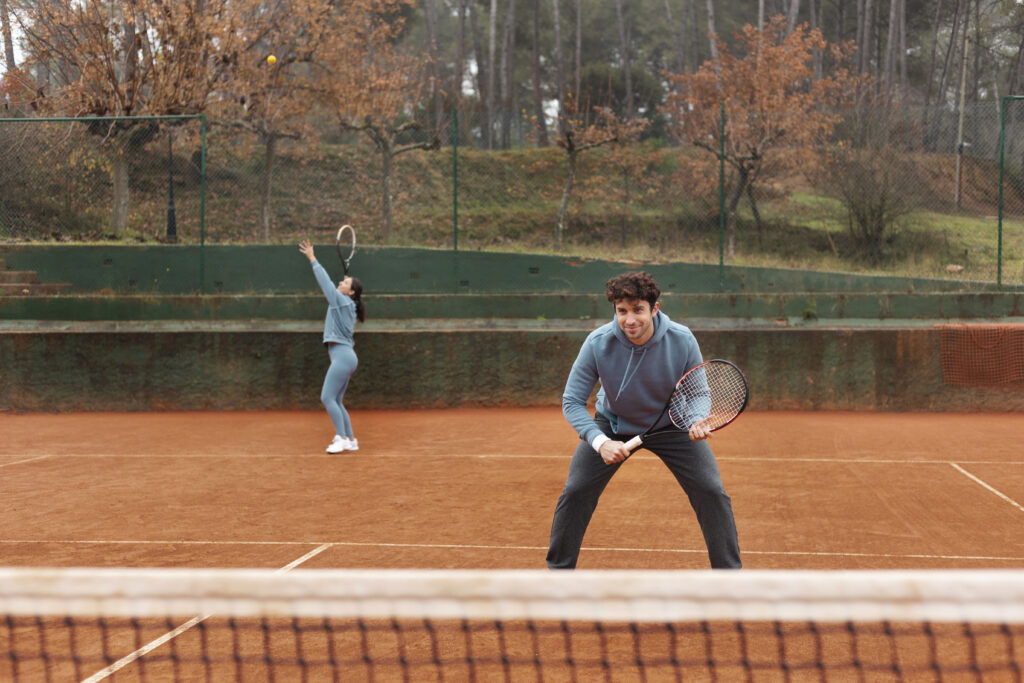
Clay courts appeal to players looking for a slower game that favors strategy over pure power. The softer surface is much kinder to knees and ankles, making it a favorite among older demographics and endurance players. Building clay courts requires specialized irrigation systems, as they need to be watered and rolled daily.
Grass courts remain a rarity, reserved mostly for prestigious private clubs. They offer the fastest style of play but demand intense, meticulous upkeep that most standard facilities simply cannot support.
Lighting and Ancillary Features
A superior facility extends playability long after the sun goes down. High-quality lighting is essential for evening leagues, private lessons, and casual after-work hits.
LED lighting systems have become the gold standard. They provide bright, even illumination without the heavy shadows or flickering associated with older metal halide bulbs. LEDs also consume significantly less energy, which dramatically lowers utility bills and reduces the facility’s carbon footprint.
Beyond the courts themselves, the ancillary features of your facility dictate the overall player experience. Consider integrating the following elements:
- Clubhouse and Locker Rooms: A clean, comfortable space to change and shower elevates the facility from a simple park court to a premium club.
- Viewing Areas: Shaded seating, bleachers, and raised viewing decks allow parents and fans to watch matches comfortably.
- Pro Shop and Amenities: Offering restringing services, apparel, and snacks keeps revenue flowing and provides convenience for members.
Maintenance and Sustainability
Building the facility is only the first step. Keeping it in top condition requires a proactive approach to maintenance and an eye toward sustainability. Operational considerations should be baked into the design from day one.
Proper drainage is non-negotiable. Standing water damages court surfaces and leads to expensive repairs. A well-engineered slope and professional drainage systems keep courts dry and playable shortly after a rainstorm.
Sustainability is also becoming a major priority for sports venues. Implementing rainwater harvesting systems can offset the high water demands of clay courts. Installing solar panels on the clubhouse roof can help power those high-efficiency LED court lights. By prioritizing eco-friendly practices, facility managers can reduce long-term operational costs while appealing to environmentally conscious members.
Conclusion
Building a great tennis facility is a complex undertaking that requires balancing player needs, community accessibility, and long-term operational costs. By selecting the right location, investing in optimal playing surfaces, and providing top-tier lighting and amenities, you set the foundation for a thriving sports hub.
