


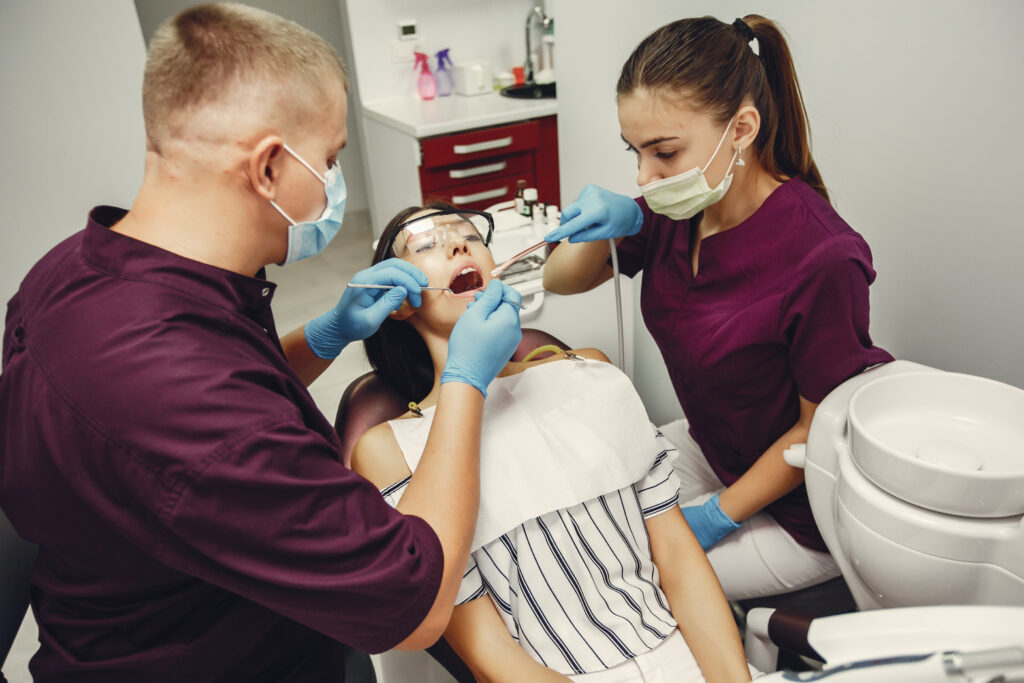
Losing a tooth, whether due to trauma, decay, or gum disease, is more than just a cosmetic concern. The resulting gap can affect your ability to chew, speak clearly, and maintain the structural integrity of your jaw. While many tooth replacement solutions involve surgical procedures, it is possible to restore your smile and function using non-invasive options. Understanding the available alternatives to surgery allows you to make an informed decision with your dental professional about the best way to address your tooth loss.
The Critical Need for Tooth Replacement
Ignoring a missing tooth can trigger a cascade of issues in your mouth. When a tooth is lost, the surrounding teeth lose their support and can begin to shift into the empty space, causing misalignment. This dental drift complicates oral hygiene, increasing the potential for tooth decay and gum disease. Furthermore, without the stimulation from a natural tooth root, the underlying jawbone can begin to deteriorate over time, leading to a decrease in bone volume that may alter your facial structure. Prompt replacement prevents these complications and preserves your long-term oral health.
Non-Surgical Tooth Replacement Options
For individuals who prefer to avoid surgery, or who may not qualify for more intensive procedures, dentistry offers effective, non-invasive ways to fill the gap.
Fixed Bridge Restorations
A dental bridge is a popular method that literally connects or “bridges” the space where the tooth is missing. This fixed appliance consists of one or more artificial teeth held in place by crowns placed over the natural teeth adjacent to the gap. A bridge works well when healthy, strong teeth are present on both sides to serve as anchors for the restoration. The procedure typically requires preparing these adjacent teeth by removing a portion of their enamel so the crowns fit correctly. This option provides excellent function and a natural appearance, often completed in just a few weeks.
Removable Dentures
Dentures are removable devices that offer an affordable and non-invasive tooth replacement solution. Modern dentures are customized for a comfortable fit and a natural look, far surpassing older versions.
- Partial Dentures: These are used when some natural teeth remain. They often rely on a framework that uses small clasps to secure the prosthetic to existing teeth.
- Full Dentures: When all teeth in an arch are missing, full dentures provide a complete set of artificial teeth that rest directly on the gums.
While dentures offer flexibility and immediate aesthetic improvement, they may require adhesives for stability and periodic adjustments as the underlying gum and jawbone tissues change over time.
The Gold Standard in Tooth Replacement
For patients seeking the most durable, natural-functioning, and long-lasting restoration, dental implants remain the premium solution, though they do involve a surgical component. The process involves surgically inserting a titanium post into the jawbone, where it fuses to the bone to serve as an artificial root.
Understanding Implant Stability
Implants are the only replacement option that actively stimulates the jawbone, which is crucial for preventing bone loss, a common consequence of missing tooth roots. The resulting stability allows for chewing and speaking with confidence, mimicking the function and feel of a natural tooth. Because the process requires time for the implant to integrate with the surrounding bone, it is generally more time-intensive than bridges or dentures. Individuals researching comprehensive care options should seek qualified professionals offering specialized services like dental implants in Marshall TX. These permanent restorations provide unique advantages, including preserving adjacent healthy teeth by not requiring them to be modified for support.
Selecting the Ideal Restoration
Choosing the right replacement method depends on a careful assessment of several personal factors. Your dental professional will evaluate the number of missing teeth, the overall health and density of your jawbone, your general health status, and your budget. While non-surgical options like bridges and traditional dentures are more affordable initially, they have shorter lifespans and do not address bone preservation. Implants, despite a higher upfront investment, offer superior long-term value, stability, and oral health benefits. Consulting with a professional is essential to weigh the pros and cons of fixed, removable, and implant-supported solutions tailored to your unique needs.
Addressing a lost tooth is a vital step toward protecting your oral function and appearance. Whether you choose a fixed bridge, a removable denture, or the highly stable implant solution, modern dentistry provides a path to restore your smile. Taking proactive action helps secure a healthy, comfortable mouth for the future.
