


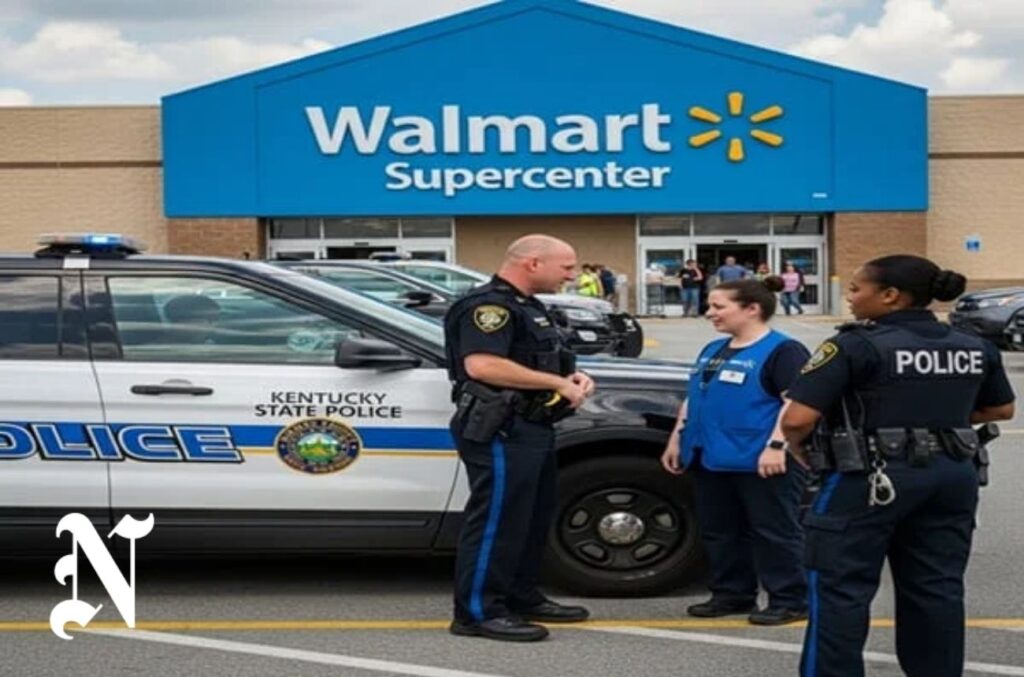
In recent months, the Kentucky Walmart police presence has become a noticeable and widely discussed development across the Bluegrass State. What used to be a casual shopping experience now often includes the sight of uniformed officers patrolling entrances, parking lots, and even inside the store. For some shoppers, this brings a sense of safety; for others, it raises deeper questions about surveillance, community trust, and what this trend means for the evolving role of retail spaces in public life.
From concerns about rising theft to broader social issues like homelessness and mental health, Walmart has become more than just a store—it’s now a critical touchpoint in conversations about community policing, public resources, and social responsibility. This article explores the newly discovered factors influencing police presence at Kentucky Walmart stores and unpacks the multi-layered dynamics shaping public opinion.
What Is the Kentucky Walmart Police Presence?
The Kentucky Walmart police presence refers to the increasing visibility of law enforcement at various Walmart locations throughout the state. This isn’t limited to isolated incidents—it’s part of a growing trend where officers either patrol the premises during peak hours or remain on-call nearby to respond quickly to reported issues.
Typically, police officers are seen walking aisles, monitoring entrances, assisting in loss prevention efforts, or simply engaging in community dialogue. Their role blends traditional enforcement with proactive outreach, often framed as part of a broader “community-oriented policing” model.
Why Is Police Presence Increasing at Walmart Stores?
The shift toward a stronger police presence in Kentucky Walmart stores stems from multiple converging factors:
-
Rising retail theft, including organized shoplifting rings
-
Public health issues, such as overdoses or mental health crises occurring on-site
-
Vagrancy and loitering, particularly in urban or economically strained areas
-
Customer and employee safety, especially during late-night hours
-
Community policing strategies, where officers aim to engage with residents in high-traffic areas
- Kentucky Walmart Police Presence
Walmart stores serve thousands daily, making them high-risk zones for incidents. The corporate response, in partnership with local law enforcement, has been to welcome or even request regular patrols.
Walmart Internal Security Measures
Despite the increased role of police, Walmart has its own security infrastructure in place. These internal strategies work alongside law enforcement but serve as the first line of defense:
-
AI-powered surveillance cameras monitoring real-time activity
-
Asset Protection Associates trained in theft prevention and incident de-escalation
-
Unarmed security personnel at key locations within stores
-
Self-checkout security systems with embedded theft detectors
Even with these tools, complex or potentially dangerous incidents—such as altercations, theft rings, or health emergencies—often require police intervention.
Case Study Lexington Walmart
The Lexington Walmart, one of the busiest in the state, has become a microcosm of the broader trend. In the past year, this store has seen a:
-
12% increase in minor theft
-
Spike in parking lot disturbances during evening hours
-
Noticeable uptick in welfare checks and public intoxication calls
- Kentucky Walmart Police Presence
In response, Lexington law enforcement partnered with Walmart management to launch a Retail Partnership Initiative, which includes:
-
Enhanced surveillance in blind spots
-
Police presence during peak hours
-
Predictive patrol routes based on incident data
The early data suggests a drop in repeat offenses, although the community remains split on the implications of this visible police presence.
The Role of Walmart as a “Public Space”
One of the lesser-discussed factors behind this policing trend is that Walmart is functioning as a de facto public space, particularly in smaller towns or areas where community centers, malls, or libraries have shut down. People don’t just shop there—they:
-
Meet friends
- Kentucky Walmart Police Presence
-
Use public Wi-Fi
-
Seek shelter
-
Wait for public transportation
This transformation creates tensions. On one hand, it makes Walmart central to community life. On the other, it increases the likelihood of confrontations, emergencies, and crime—all of which invite police involvement.
Community Reactions: Mixed Sentiments
Reactions to the Kentucky Walmart police presence vary significantly by location, demographic, and past experiences with law enforcement.
Supportive shoppers often express relief, particularly those shopping at night or with children. For them, a police presence is comforting.
Skeptical voices question why private corporations are receiving what seems like dedicated public resources—especially when schools, parks, or hospitals are under-patrolled.
Critical residents, particularly in marginalized communities, feel over-policed or surveilled, especially when uniformed officers are stationed for extended periods inside retail stores.
This complex range of emotions makes it vital for Walmart and law enforcement to practice transparency and foster open dialogue.
Law Enforcement’s Perspective

For police departments, Walmart serves as a strategic patrol point. Officers explain that these stores:
-
Attract high call volumes, making patrols efficient
-
Act as public engagement spaces for community policing
-
Are often located on major roads, fitting naturally into existing patrol routes
- Kentucky Walmart Police Presence
Still, the strain on resources is real. Responding to frequent incidents at Walmart can divert officers from other community priorities. Some departments are exploring alternative response models, including collaborations with social workers or mental health responders.
Social Issues Driving Law Enforcement Calls
What’s fueling the need for police presence isn’t just retail crime—it’s a reflection of broader societal issues, including:
-
Substance abuse crises
-
Mental health emergencies
-
Economic instability
-
Homelessness
Walmart has become an unlikely stage where these challenges play out daily. Many officers respond not just as enforcers but as social workers, crisis managers, or mediators—highlighting the evolving role of police in modern society.
Technology and Surveillance Ethics
Advanced surveillance tools are increasingly present in Kentucky Walmarts. These include:
-
License plate readers for identifying stolen vehicles
-
AI software monitoring for suspicious behavior patterns
-
Facial recognition trials (in some pilot locations)
-
Self-checkout analytics tracking scan behavior for theft prevention
- Kentucky Walmart Police Presence
While effective at reducing shrinkage, these tools raise ethical concerns about privacy, profiling, and consent. Civil liberties groups have warned that the surveillance may disproportionately affect certain demographics and could foster an environment of constant monitoring.
Alternatives to Constant Police Presence

Security experts and community advocates suggest multiple alternatives to heavy police presence, including:
-
Hiring licensed private security guards
-
Implementing mental health crisis response teams
-
Investing in staff training for conflict resolution
-
Community outreach and support programs to engage vulnerable populations
These strategies focus on prevention over enforcement, creating a safer environment without the potential downsides of over-policing.
Economic Costs and Public Resources
Police presence at Walmart stores doesn’t just have social implications—it carries a financial burden for the public. Some of the associated costs include:
-
Officer labor hours spent on minor retail incidents
-
Court and legal processing for theft or trespassing cases
-
Dispatch system congestion, delaying response to other emergencies
Some municipalities are now discussing whether corporations should bear more responsibility for safety within their stores, especially when frequent calls for service tie up public resources.
Calls for Policy Reform
While Kentucky has yet to pass specific legislation regarding retail policing, policy discussions are heating up. Reform advocates are pushing for:
-
Transparency on store-police partnerships
-
Limits on when and how police can be called
-
Retailer accountability for excessive public service use
-
Privacy regulations for in-store surveillance
These conversations may lead to future reforms that reshape how safety is managed in private-public spaces like Walmart.
Conclusion
The Kentucky Walmart police presence is not just a response to rising crime—it’s a mirror reflecting deeper systemic issues. From a lack of public spaces to insufficient social services, Walmart has become an unexpected focal point for everything from security to social equity.
While the presence of law enforcement can deter crime and offer comfort, it must be carefully balanced with community trust, privacy concerns, and equitable treatment. Going forward, collaboration between stores, police, and residents will be key to creating a safe and inclusive environment that respects all stakeholders.
FAQs
1. Why is there increased police presence at Walmart stores in Kentucky?
The rise in police presence is primarily due to a combination of rising retail theft, increased calls for service related to mental health or substance abuse, and Walmart’s unique role as a community gathering space. Many stores experience high foot traffic and social interaction, increasing the likelihood of both minor incidents and serious emergencies. Law enforcement’s presence is intended to deter crime and provide immediate support when needed, but it also highlights the lack of alternative public spaces and services.
2. Is Walmart directly partnering with Kentucky police departments?
Yes. In many regions, Walmart works directly with local police to create formal or informal partnerships. These may include sharing surveillance footage, coordinating response plans, and even hosting officers in-store for community policing. While these efforts are often framed as collaborative safety measures, they also raise questions about the privatization of public services and the boundaries between retail operations and law enforcement.
3. Are all Kentucky Walmart locations affected by this trend?
Not every store is experiencing the same level of police presence, but many high-incident or high-traffic locations—such as those in Lexington, Louisville, and Bowling Green—have adopted regular patrols or collaborative policing strategies. Smaller towns may see periodic patrols based on call history or local concerns. The extent of police involvement often correlates with local socioeconomic conditions and the availability of alternative community support services.
4. Does increased police presence mean these areas are dangerous?
Not necessarily. Police presence can be preventive rather than reactive. In many cases, officers are present to deter incidents or engage with the public, not because a store is inherently unsafe. However, frequent law enforcement presence may give the impression of danger, especially if not paired with public communication explaining their role.
5. What are the long-term concerns about policing retail spaces like Walmart?
Long-term concerns include the over-reliance on police for issues that may be better addressed through mental health support or social services. There are also ethical issues surrounding surveillance, data privacy, and racial profiling. Some critics argue that this trend contributes to the criminalization of poverty, particularly when vulnerable individuals are subject to constant monitoring in spaces they use out of necessity rather than choice. The future may lie in a blended model of safety, combining technology, trained staff, community outreach, and selective law enforcement engagement.
