


In recent years, a fascinating new cheese has started to make waves among culinary enthusiasts — Masgonzola. This hybrid creation brings together the creamy richness of Mascarpone and the bold, tangy veins of Gorgonzola, resulting in a texture and flavor profile that’s both familiar and adventurous. While not centuries old like many Italian cheeses, Masgonzola has already carved a niche for itself in fine dining and home kitchens alike. Its growing popularity represents more than just a new taste trend; it symbolizes Italy’s evolving contribution to modern gastronomy.
The Origins of Masgonzola: Where Tradition Meets Innovation
Masgonzola was first developed in northern Italy by artisan cheesemakers who sought to create a harmonious fusion of creaminess and blue-veined depth. The name itself is a blend — Mascarpone + Gorgonzola = Masgonzola. Unlike traditional blue cheeses that have been aged for months, Masgonzola is carefully crafted to balance mild sweetness with just enough piquant sharpness. It’s a result of experimental dairy craftsmanship — a product of Italian innovation that respects tradition while embracing modern taste preferences.
The Discovery: How Masgonzola Came to the Global Table
While Masgonzola began as a regional specialty in Lombardy, Italy, it caught international attention when Michelin-star chefs started experimenting with it in fusion cuisine. Around 2018–2020, European food expos and Italian dairy fairs showcased Masgonzola as a “next-generation cheese.” Distributors and gourmet retailers in France, Japan, and the U.S. began importing it in small quantities. By 2023, it had appeared on menus in upscale restaurants in New York, London, and Singapore. This global debut marked the transition of Masgonzola from a local curiosity to an international sensation.
The Production Process: Crafting Masgonzola with Precision

Masgonzola’s creation process reflects both artistry and science. It starts with high-quality cow’s milk, which undergoes a dual fermentation process. Part of the milk is cultured like mascarpone, resulting in creamy curds, while another portion is inoculated with Penicillium roqueforti, the mold responsible for Gorgonzola’s blue veins. The two curds are gently combined before being aged in temperature-controlled cellars for 30–40 days. This hybrid method produces a soft-ripened cheese with marbled streaks of blue and a luscious cream core. Cheesemakers describe the process as “balancing chaos and calm” — the unpredictable mold meets the smooth discipline of cream.
Texture and Taste: The Soul of Masgonzola
Masgonzola’s defining feature is its contrasting yet complementary character. At first bite, it melts like mascarpone, offering a smooth, buttery base. Then comes the earthy tang of the blue mold — rich, slightly nutty, and perfectly balanced. The aftertaste lingers with subtle sweetness, making it more approachable than traditional blue cheeses. Many tasters describe it as a “gateway blue,” ideal for those hesitant to try stronger varieties. Its versatility allows it to shine on everything from crusty bread to creamy sauces.
Nutritional Benefits: More Than Just Flavor
Beyond its taste, Masgonzola offers notable nutritional value. It’s rich in calcium, vitamin B12, and protein while containing healthy fats derived from whole milk. Unlike overly aged cheeses, its moderate aging process retains more probiotics, aiding digestion and gut health. While it’s indulgent, moderate consumption provides essential nutrients for bone strength and muscle repair. Compared to Gorgonzola, it has a lower sodium level, making it a smarter choice for those watching their salt intake.
Masgonzola in Italian Cuisine: Reinventing Classics
Italian chefs have embraced Masgonzola as a modern twist on old favorites. It has been featured in risottos, pasta sauces, and gourmet pizzas. One popular dish is Risotto al Masgonzola e Pere, where the cheese’s creamy texture complements the sweetness of pears and the richness of arborio rice. In Northern Italy, some bakeries even blend Masgonzola into savory tarts with caramelized onions or mushrooms. It’s this adaptability that has made Masgonzola a rising star among both traditionalists and culinary experimenters.
Global Culinary Influence: A Fusion Ingredient
As Masgonzola made its way beyond Italy, chefs around the world began incorporating it into diverse cuisines. In France, it appears in sauces for duck confit. In Japan, chefs pair it with miso-glazed eggplant, blending East and West. American bistros use in gourmet burgers and mac-and-cheese variations. Its creamy consistency allows it to serve as both a base and a topping — elevating everyday dishes into gourmet experiences. The cheese’s global reach underscores a growing trend: culinary fusion powered by Italian innovation.
The Science Behind the Flavor: Why It Tastes Unique
Food scientists studying Masgonzola have discovered that its flavor complexity comes from a dual fermentation profile. The mascarpone culture adds lactic sweetness, while Penicillium roqueforti contributes earthy, spicy, and metallic notes. The interaction between these cultures generates fatty acid esters that enhance the aroma and produce a distinctive umami undertone. This biochemical harmony is what sets apart — it’s creamy without being cloying, and pungent without overpowering the palate.
Sustainability and Local Farming: The Ethical Edge
Modern cheesemakers producing Masgonzola often emphasize sustainability. Many dairies use milk from grass-fed cows and follow eco-friendly farming practices. Some cooperatives in northern Italy have begun implementing zero-waste whey recycling, using leftover whey as animal feed or fertilizer. The shorter aging process also reduces energy consumption compared to long-aged cheeses like Parmigiano-Reggiano. Thus, doesn’t just represent culinary innovation — it’s part of a broader movement toward ethical, eco-conscious food production.
Pairing Masgonzola: The Art of Perfect Matches
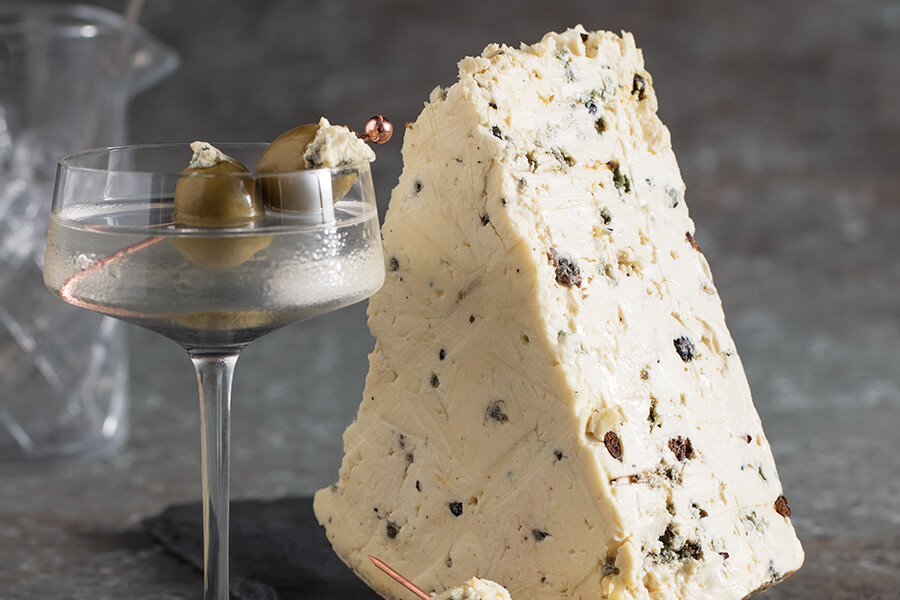
Pairing is key to unlocking Masgonzola’s full potential. It pairs beautifully with sweet wines like Moscato d’Asti or Sauternes, as well as earthy reds like Barbera. Honey, figs, and walnuts bring out its creamy sweetness, while balsamic vinegar accentuates its tang. For beverages, even dark beers or dry ciders can work surprisingly well. On a cheeseboard, it sits elegantly between soft bries and sharp cheddars, providing a smooth transition for the palate.
Availability and Buying Guide: From Local Markets to Global Stores
Though Masgonzola remains somewhat niche, it’s increasingly available in gourmet shops and specialty cheese counters. Italian brands like Galbani and artisan dairies in Lombardy now export small-batch varieties. Online retailers offer vacuum-sealed portions for freshness. When buying, look for light blue marbling and a creamy ivory base — signs of good quality. Avoid overly dark mold or a strong ammonia smell, which indicate over-aging. Store it in wax paper within a cool refrigerator section to preserve its flavor.
The Future of Masgonzola: A Cheese with Global Promise
The journey of Masgonzola is just beginning. As more consumers seek new flavors that combine indulgence with sophistication, this hybrid cheese is poised to become a symbol of culinary globalization. Its story is one of balance — old meets new, cream meets blue, and local meets global. With growing popularity in restaurants, recipe books, and social media food trends, stands as proof that tradition and innovation can coexist deliciously on the same plate.
Conclusion
From humble Italian origins to global acclaim, Masgonzola represents the future of artisanal dairy craftsmanship. Its creamy yet tangy personality, ethical production, and versatility make it more than just another cheese — it’s an experience that connects people across cultures through flavor. Whether spread on bread, melted in pasta, or paired with fine wine, rise marks a new chapter in the evolution of modern cuisine.
